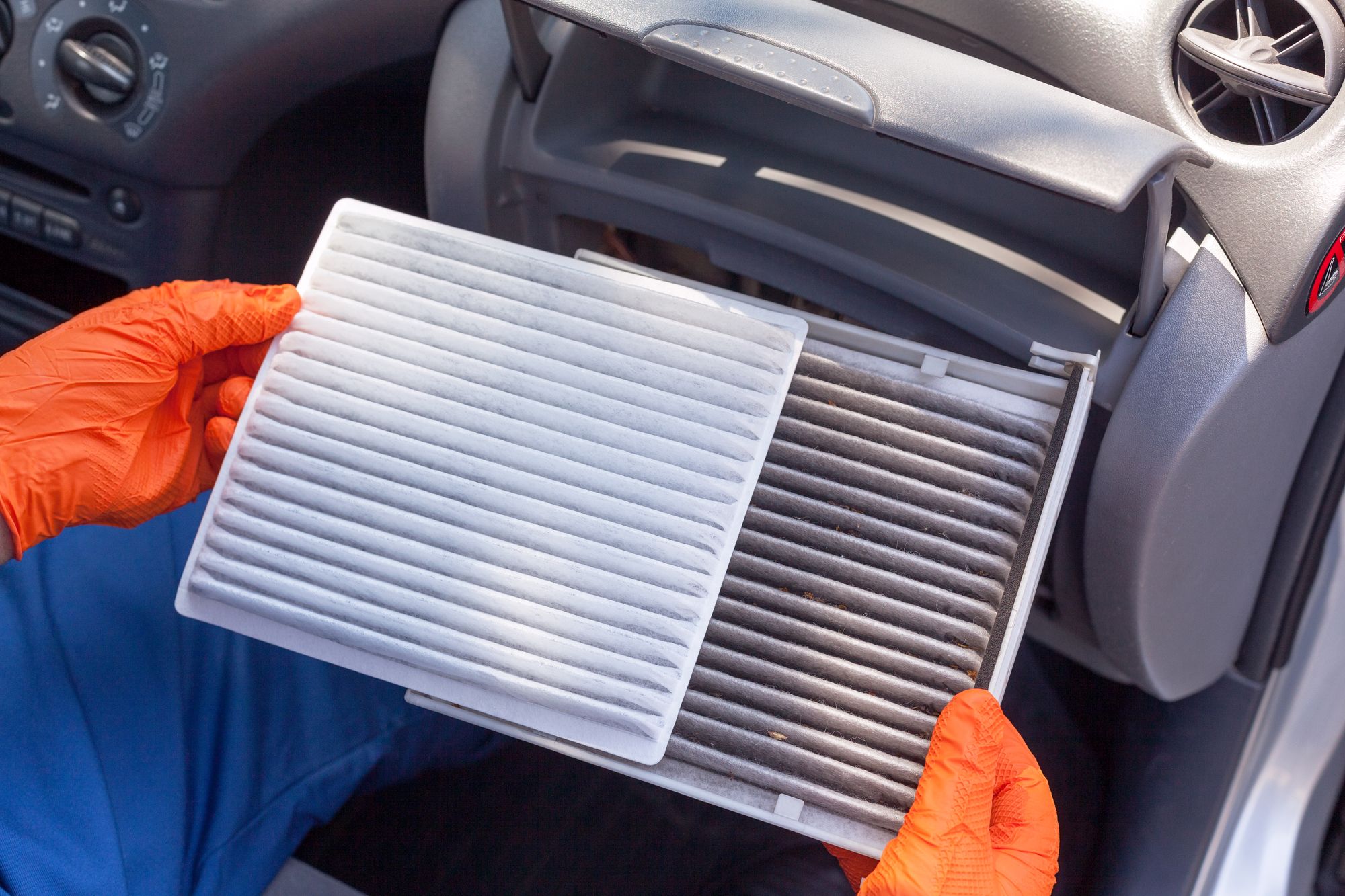
Air filters are easy to overlook because they are not something most drivers think about every time they start their vehicle. However, your vehicle normally has more than one filter doing important work. The engine air filter helps protect the engine's intake system, while the cabin air filter helps keep dust, pollen, dirt, and other particles out of the passenger compartment. Neither filter lasts forever, and both should be inspected as part of regular vehicle maintenance.
Your Vehicle Has More Than One Air Filter
When someone talks about an "air filter" on a vehicle, they are usually referring to the engine air filter, But most modern vehicles also have a cabin air filter, sometimes called a pollen filter or HVAC filter. The two filters perform completely different jobs. The engine air filter protects the engine from dirt and debris entering through the intake system. The cabin air filter cleans the air entering the passenger compartment through the heating and air conditioning system.
What Does the Engine Air Filter Do?
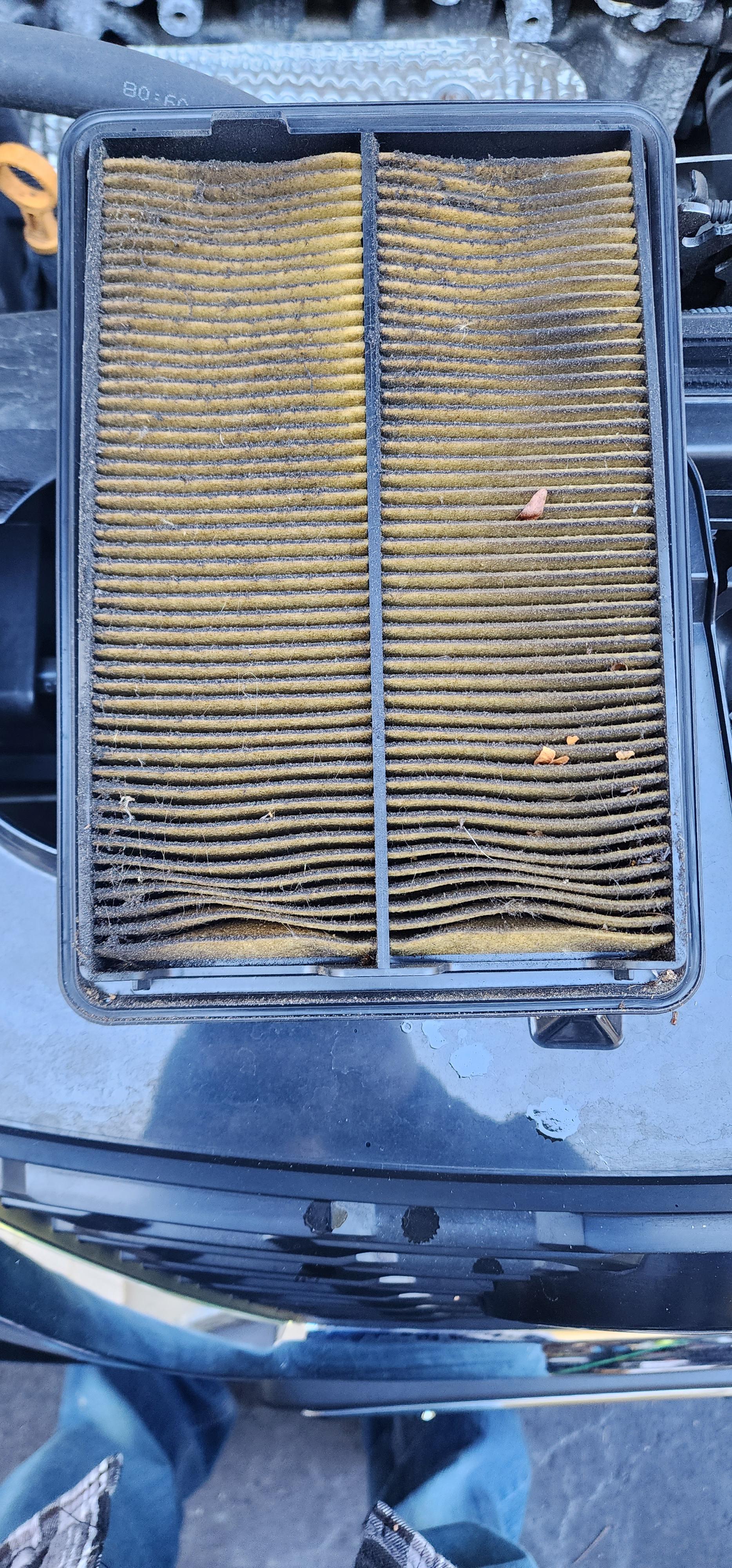
An engine needs a steady supply of clean air to operate properly. The engine air filter sits in the intake system and helps prevent dirt, dust, sand, insects, and other debris from entering the engine. Without the filter, contaminants could make their way into areas where they can contribute to wear and contamination. The filter also needs to allow enough air to pass through. As it becomes heavily contaminated, airflow can become restricted. This is why inspecting the filter during routine maintenance is important.
What Happens When the Engine Air Filter Gets Dirty?
A slightly dirty filter does not necessarily mean the vehicle will suddenly develop a major problem. Filters become contaminated gradually, and the effect depends on how dirty the filter is and how the vehicle's intake system is designed. A severely restricted filter can affect the amount of air available to the engine and may contribute to reduced performance or fuel economy. However, not every performance problem is caused by an air filter. If a vehicle is running poorly, proper diagnosis is still important rather than simply replacing the filter and assuming the problem is solved.
What Does the Cabin Air Filter Do?
The cabin air filter has a different job. It filters the air entering the vehicle's passenger compartment through the HVAC system. Depending on the vehicle and filter design, it can help capture dust, pollen, dirt, and other airborne particles. This can make a noticeable difference in the quality of the air inside the vehicle, especially when the heating or air conditioning system is operating.
Signs Your Cabin Air Filter May Be Dirty
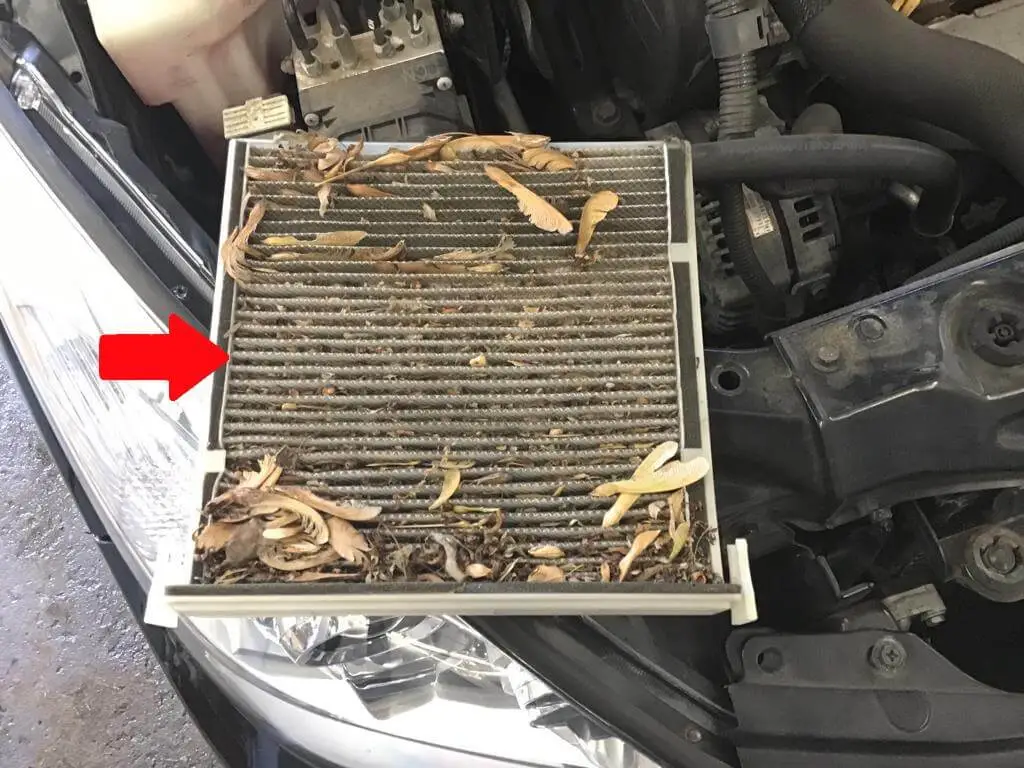
A dirty cabin filter can sometimes become noticeable through the HVAC system. Some common signs include reduced airflow from the vents, unusual smells, or a noticeable increase in dust inside the vehicle. If the blower is operating normally but very little air is coming through the vents, a restricted cabin filter is one possible cause. An unpleasant or musty smell when the HVAC system is operating can also be related to the condition of the filter or the HVAC system itself. These symptoms can have other causes as well, so the filter should be inspected rather than assuming it is automatically the problem.
How Often Should Air Filters Be Replaced?
There is no universal replacement interval for every vehicle. A good general approach is to inspect both the engine air filter and cabin air filter during regular service. Depending on the vehicle and driving conditions, filters may commonly need replacement every two or three services. However, a vehicle driven on dusty roads, construction sites, gravel roads, or other heavily contaminated environments may need filters replaced more frequently. The manufacturer's recommended maintenance schedule should always be checked for the specific vehicle.
Should You Clean the Filter or Replace It?
This depends on the type of filter. Some reusable filters are specifically designed to be cleaned and serviced according to the manufacturer's instructions. Most standard disposable paper-style engine and cabin filters, however, are designed to be replaced rather than washed. Simply knocking dust out of a disposable filter may make it look cleaner, but it does not necessarily restore the filter's original filtering ability. If a disposable filter is heavily contaminated, damaged, or restricted, replacement is generally the better option.
Where You Drive Can Make a Difference
Filter life depends heavily on the environment where the vehicle is driven. A vehicle driven mostly on clean highways may accumulate contamination much more slowly than a vehicle that spends every day in dusty traffic, gravel roads, or construction areas. Seasonal conditions can also affect cabin filters. Leaves, pollen, dust, and other debris can accumulate in the HVAC intake area and eventually make their way into the filter. This is why inspecting the filter is often more useful than relying only on a fixed mileage number.
A Filter Is Only One Part of the HVAC System
Replacing a cabin air filter can improve airflow when the old filter is restricted, but it cannot fix every HVAC problem. Weak airflow, unusual smells, poor cooling, unusual blower noises, or other HVAC concerns can have several possible causes. Problems with the blower motor, HVAC doors, evaporator, heater core, wiring, or other components may produce symptoms that look similar to a dirty filter. If replacing the filter does not solve the problem, the HVAC system should be properly diagnosed.
It Is a Simple Maintenance Item Worth Checking
Air filters are relatively inexpensive compared with many other vehicle components, which makes them easy to overlook. But regular inspection takes very little time and can help prevent a severely restricted filter from being left in the vehicle for too long. Checking the filters during routine maintenance also gives the technician an opportunity to identify other issues in the surrounding area, such as excessive debris, signs of moisture, or other problems that may need attention.
The Bottom Line
Your engine air filter and cabin air filter perform different jobs, but both are important maintenance items.
The engine air filter helps protect the engine from contaminants while allowing the engine to receive the air it needs. The cabin air filter helps clean the air entering the passenger compartment and can affect HVAC airflow and comfort.
A good general practice is to have both filters inspected during regular service and replaced when they become dirty, restricted, or otherwise due for replacement. Keeping up with these small maintenance items can help keep your vehicle's engine and HVAC system working properly and can prevent simple problems from being overlooked.
DUE FOR MAINTENANCE?
Keep Your Vehicle Properly Maintained
NJ AUTO can inspect your vehicle's filters and other maintenance items during routine service and let you know what needs attention.
LEARN MORE