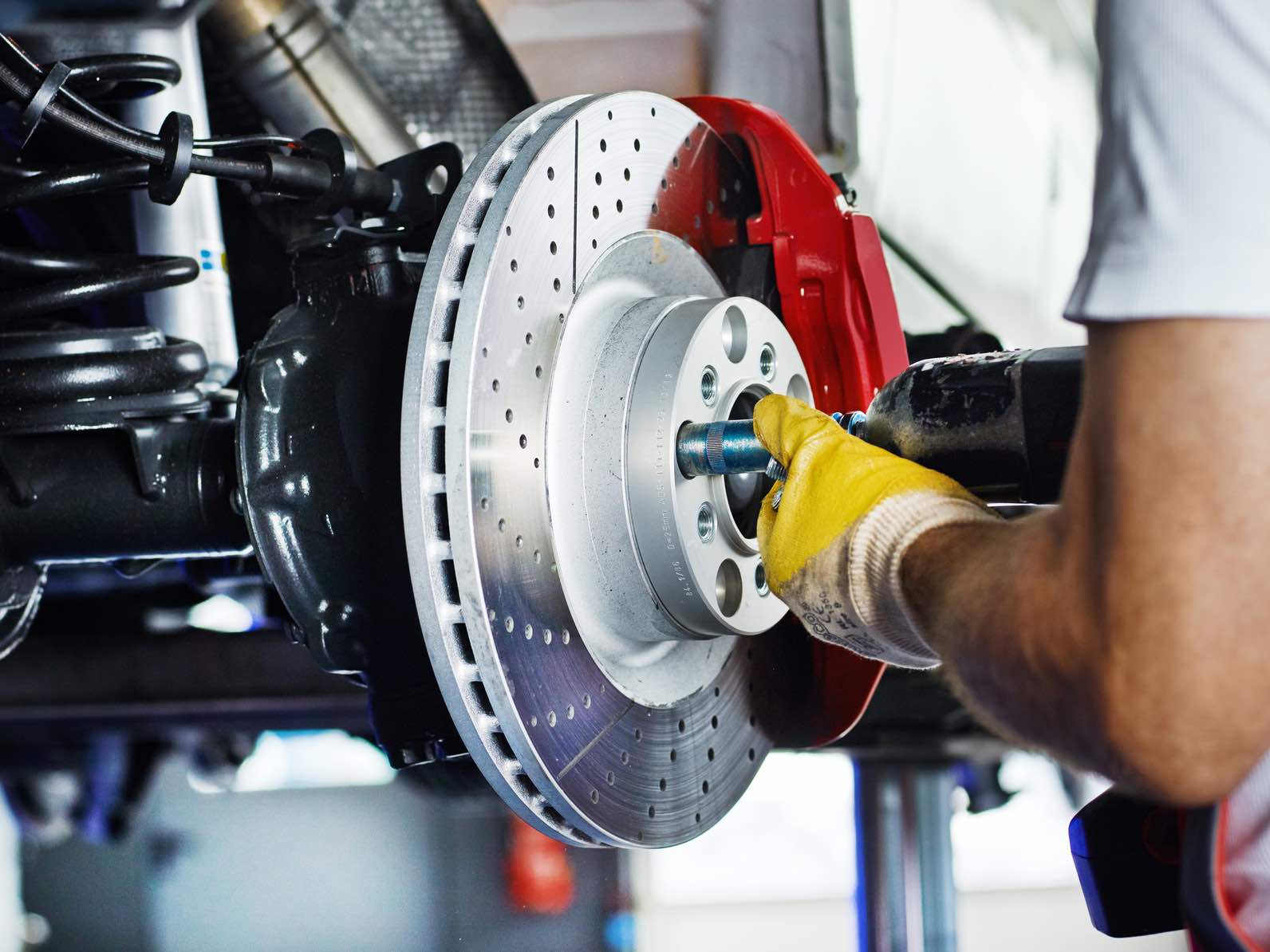
Your brakes are one of the most important safety systems on your vehicle. Unlike some mechanical problems, brake problems can sometimes give you fairly obvious warning signs before they become a serious issue. The important part is paying attention to those signs instead of getting used to them. If your vehicle suddenly feels different when braking, it is worth having the system inspected.
Your Brakes Are Making Noise
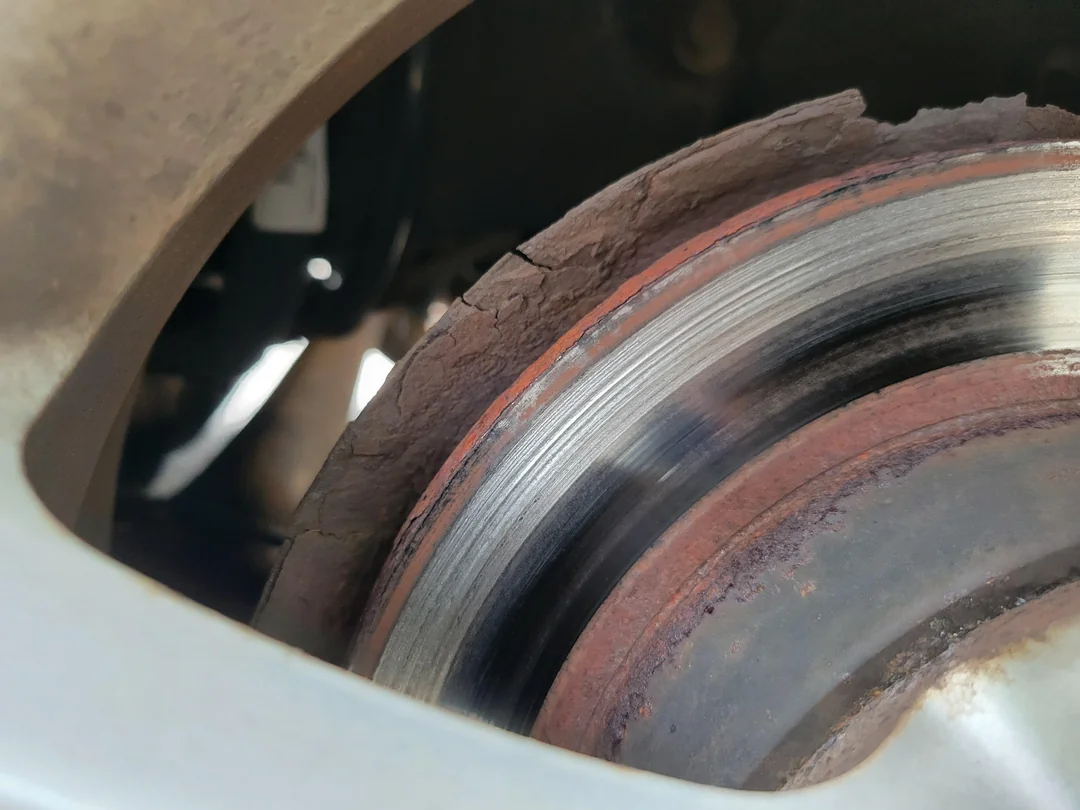
One of the most common signs of brake wear is a change in the sounds your vehicle makes when you press the brake pedal. A high-pitched squeal can sometimes come from a brake pad wear indicator. It can be the vehicle's way of letting you know that the brake pads are getting close to the end of their usable life. Other noises should also be taken seriously. A scraping or grinding sound can indicate that the brake pads are severely worn or that another brake component needs attention. Not every brake noise means the same thing, and temporary noise can sometimes occur under certain conditions. However, a noise that is persistent or getting worse should be checked.
The Brake Pedal Feels Different
Pay attention to how the brake pedal normally feels under your foot. A pedal that suddenly feels soft, spongy, or requires noticeably more travel than usual should not be ignored. There are several possible causes for a change in brake pedal feel. Depending on the vehicle, the problem could involve the hydraulic system, brake fluid, air in the system, brake components, or other parts of the braking system. On the other hand, a pedal that feels unusually hard can also indicate a problem that needs further diagnosis. Because braking performance is critical to safety, any significant change in pedal feel deserves attention.
The Vehicle Pulls When Braking
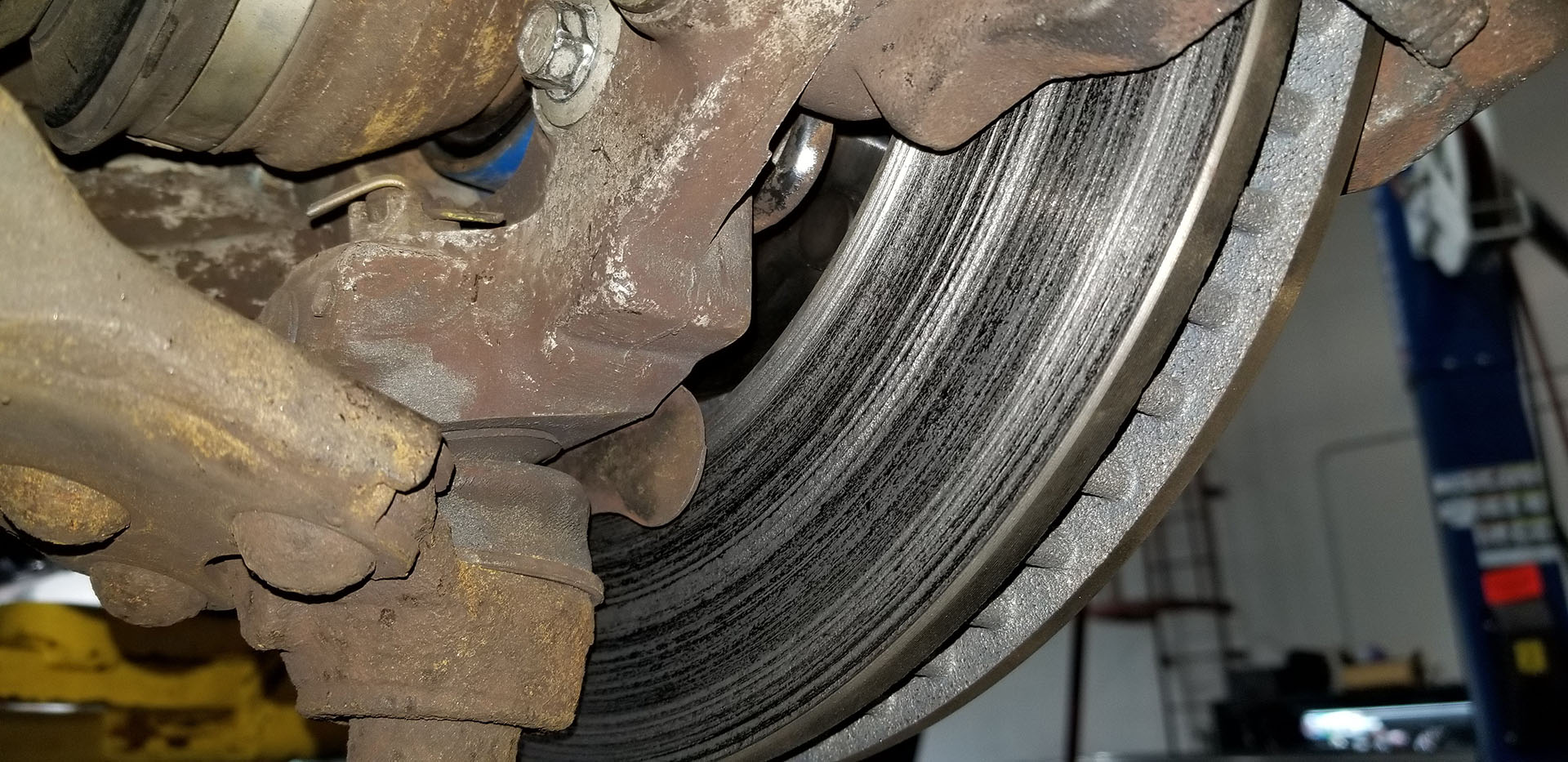
If the vehicle pulls noticeably to one side when you apply the brakes, something may not be working correctly. Uneven braking force between the wheels can contribute to this type of behaviour. A sticking brake component, uneven pad wear, hydraulic issue, or another mechanical problem can potentially be involved. Pulling can also be caused by issues outside the braking system, which is why proper diagnosis is important rather than simply replacing parts. If the vehicle has suddenly started behaving differently during braking, it is a good idea to have it inspected before continuing to drive normally.
The Steering Wheel or Vehicle Vibrates While Braking
Feeling a vibration through the steering wheel or vehicle when braking can be another sign that something needs to be inspected. Brake-related vibration can have several possible causes. Problems involving the brake rotors, pads, wheel components, suspension, or other parts can sometimes produce similar symptoms. The speed at which the vibration occurs and whether it happens only during braking can give a technician useful information when diagnosing the problem. A vibration that becomes stronger over time should not simply be ignored.
Stopping Distance Feels Different
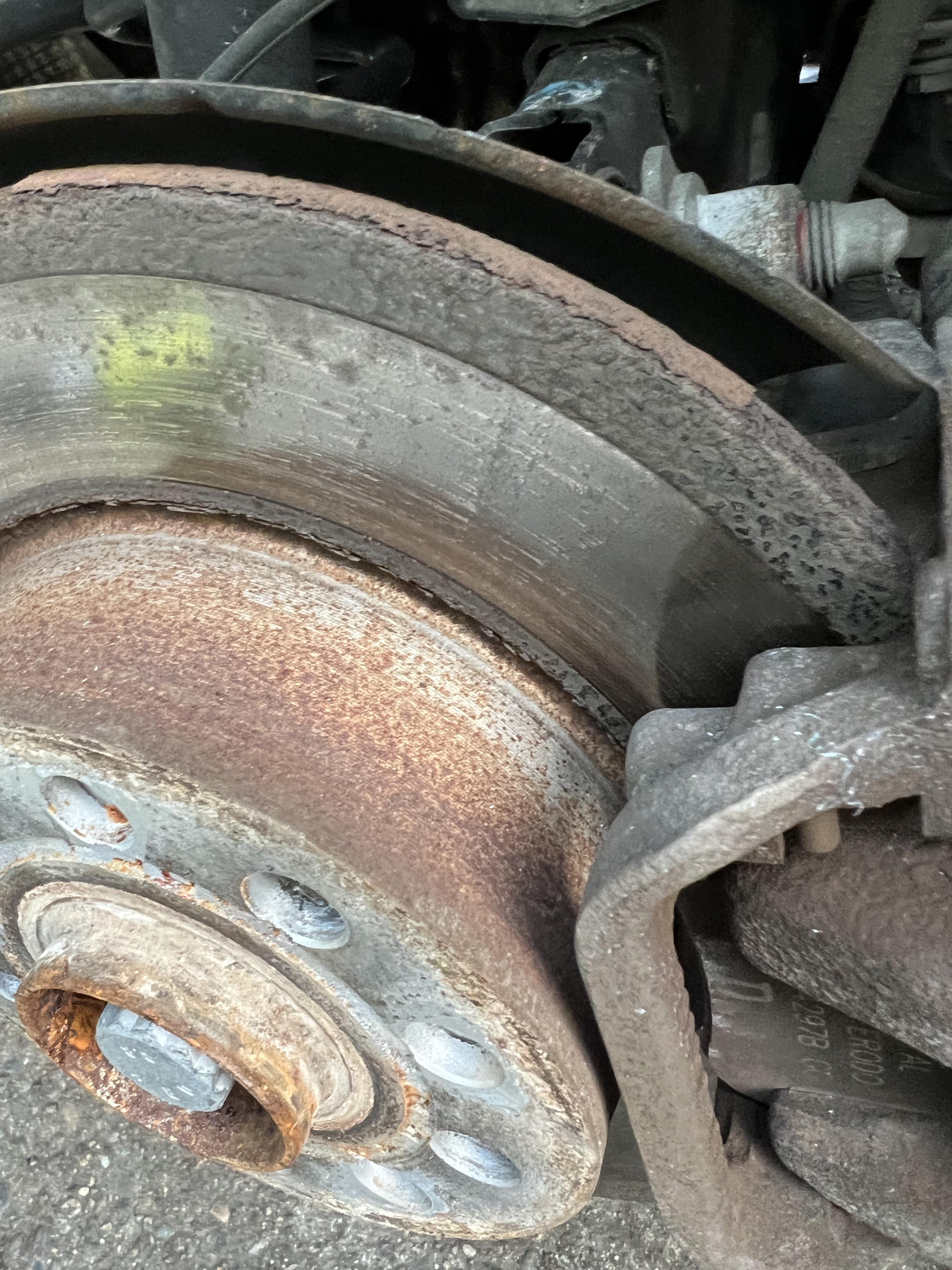
Perhaps the most important warning sign is a noticeable change in how the vehicle stops. If you find yourself pressing the brake pedal harder than normal or needing more distance to stop, something may be wrong. Brake performance can be affected by worn components, hydraulic problems, contaminated brake fluid, tire condition, or other vehicle issues. A vehicle that does not stop the way it normally does should be inspected as soon as possible.
What About the Brake Warning Light?
A brake warning light on the dashboard should never be ignored. Depending on the vehicle, a warning light can indicate several different things. It may be related to the brake system, brake fluid level, parking brake, or another condition. Modern vehicles can also have separate warning lights for electronic braking and stability systems. If a warning light appears, the vehicle should be checked rather than assuming the light will disappear on its own.
How Often Should Brakes Be Inspected?
There is no single mileage interval that determines when every vehicle needs brake repairs. Brake wear depends on factors such as driving habits, traffic conditions, vehicle weight, terrain, brake component design, and how the vehicle is used. Frequent city driving and stop-and-go traffic can put significantly more use on the brakes than long highway trips. This is why brake condition is often checked during routine vehicle maintenance rather than relying on mileage alone.
Don't Wait Until the Brakes Are Grinding
Brake pads are designed to wear over time. Replacing them before they are completely worn can help prevent additional damage to other components. Once brake pads become severely worn, continued driving can potentially damage the rotors and increase the cost of the repair. Paying attention to early warning signs gives you a better chance of dealing with the problem before it becomes a larger repair.
The Bottom Line
Squealing, grinding, a soft or unusually hard brake pedal, pulling, vibration, warning lights, and changes in stopping performance are all reasons to have your braking system checked.
Not every symptom automatically means that the brake pads or rotors need to be replaced. The cause needs to be properly diagnosed before deciding what repairs are necessary.
When it comes to brakes, it is better to have a small concern checked early than to wait until the vehicle develops a serious braking problem.
HEARING SOMETHING UNUSUAL?
Have Your Brakes Inspected
If your vehicle is making unusual brake noises, pulling, vibrating, or simply does not feel right when stopping, NJ AUTO can inspect the braking system and help identify the cause.
LEARN MORE