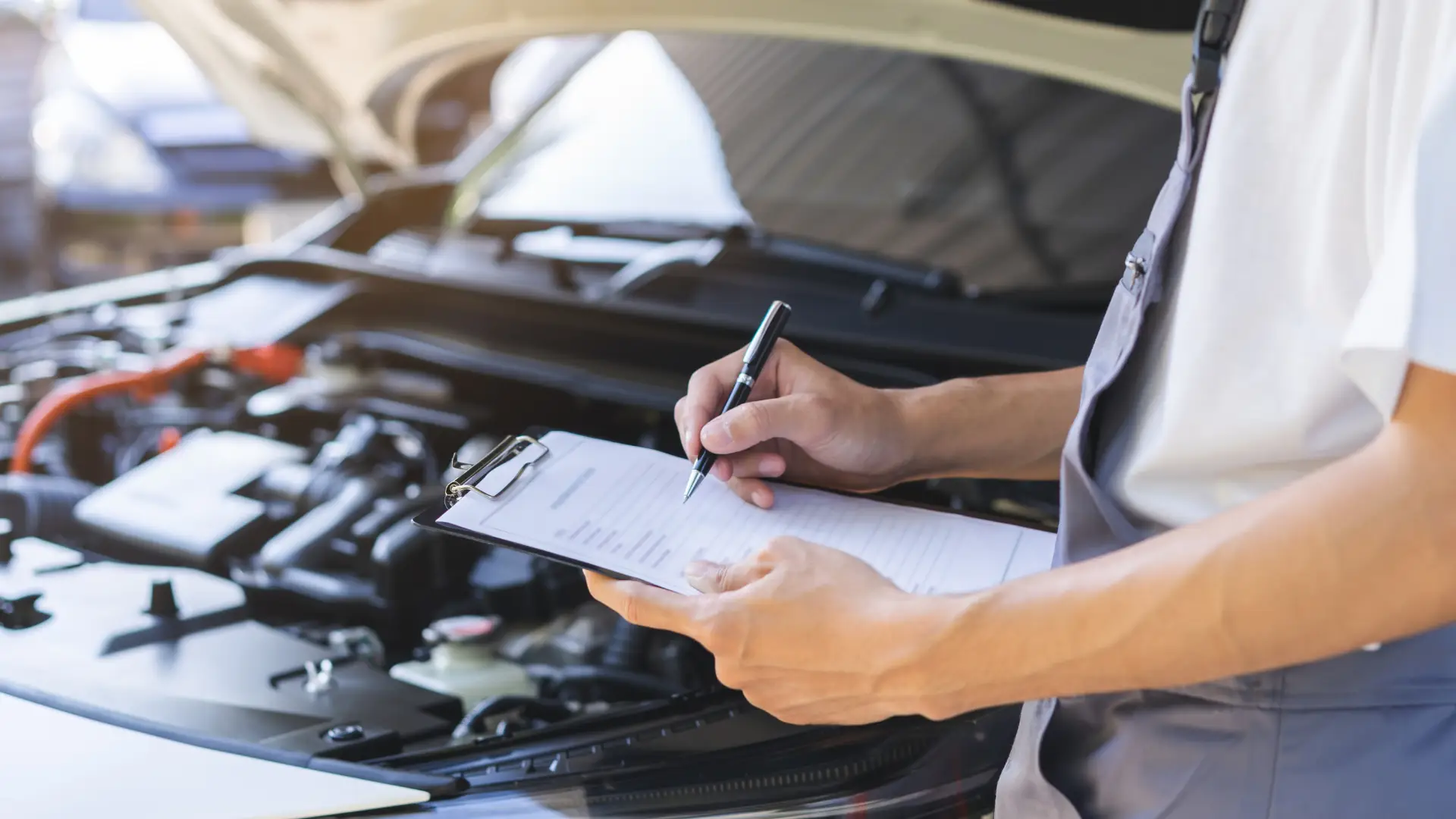
A used vehicle can look great on the outside and still have mechanical problems that are difficult to see during a quick test drive. Whether you're buying from a private seller or a dealership, taking the time to properly inspect the vehicle is one of the most important steps you can take before handing over your money.
Start With the Vehicle History
Before inspecting the vehicle itself, find out as much as possible about its history. A vehicle history report can provide useful information about previous registrations, reported accidents, liens, and other events. The vehicle identification number, or VIN, should also be checked against the vehicle. Make sure the VIN on the vehicle matches the documentation and the history report. A clean history report does not necessarily mean the vehicle is mechanically perfect. Not every accident or repair is reported, so the history report should be considered one part of the inspection rather than a complete guarantee.
Look Beyond the Exterior
A freshly detailed vehicle can make a strong first impression. However, cosmetic condition should not be confused with mechanical condition. Look closely at the body panels and compare the gaps between them. Differences in paint colour, texture, or panel alignment can sometimes indicate previous repairs. Also inspect the windshield, lights, mirrors, tires, wheels, and glass. Uneven tire wear can be a sign of alignment, suspension, or steering problems.
Check Under the Hood
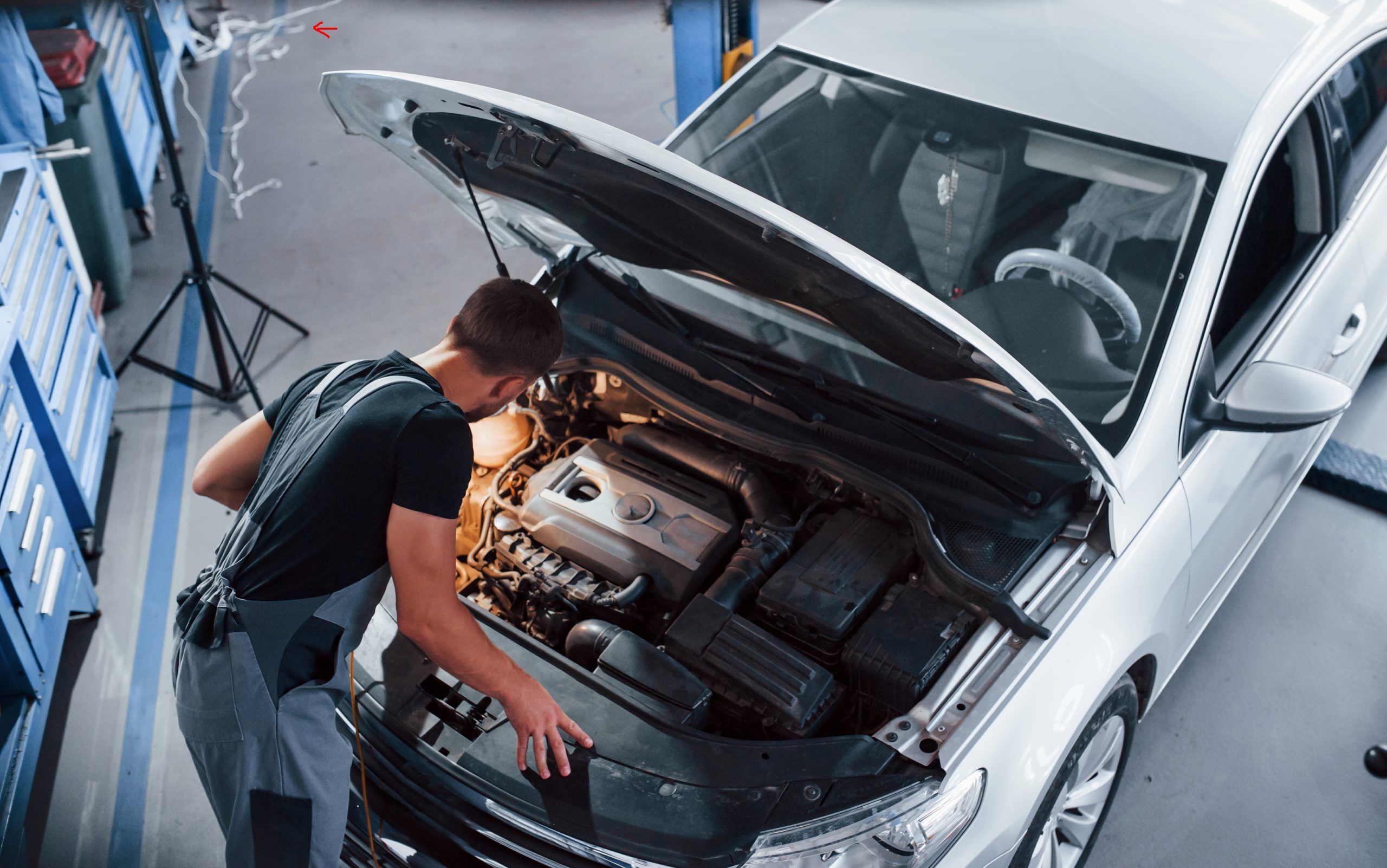
The engine compartment can reveal problems that are not obvious from inside the vehicle. Look for fluid leaks, damaged wiring, unusual corrosion, and signs of previous repairs. Check the condition of the engine oil and other accessible fluids. Low fluid levels, contaminated fluids, or heavy leaks can be warning signs that deserve further attention. It is also important to pay attention to how the engine starts and runs. Unusual noises, excessive vibration, smoke, or warning lights should not be ignored.
Pay Attention During the Test Drive
A test drive is about much more than making sure the vehicle feels comfortable. Listen for unusual noises while accelerating, braking, turning, and driving over bumps. Pay attention to transmission operation, steering feel, braking performance, and suspension noise. The vehicle should track straight and should not pull significantly to one side under normal driving conditions. Check that the air conditioning, heater, windows, locks, lights, gauges, infotainment system, and other electrical features are working properly.
Check for Warning Lights
Warning lights on the dashboard should always be taken seriously. A vehicle may have stored diagnostic trouble codes even when the warning light is not currently illuminated. A diagnostic scan can provide additional information about the vehicle's electronic systems. However, a diagnostic scan should not replace a physical inspection. Mechanical problems such as worn suspension components, leaks, brake issues, and certain drivetrain problems may not produce a diagnostic trouble code.
Inspect the Brakes, Suspension and Underside
Some of the most important components on a vehicle cannot be properly inspected from inside the driver's seat. Brake components, suspension parts, steering components, exhaust components, fluid leaks, and the underside of the vehicle should be inspected whenever possible. Rust and corrosion are particularly important to check on vehicles that have spent time in areas where roads are treated with salt.
Don't Ignore Small Problems
One worn component may not seem like a major concern. However, several small problems can quickly become an expensive repair bill. For example, worn tires, brakes, suspension components, fluid leaks, and overdue maintenance may each appear manageable on their own. Together, they can significantly change the actual cost of owning the vehicle. Understanding these issues before purchasing gives you a much better idea of what you are actually buying.
Consider a Professional Pre-Purchase Inspection
If you are seriously considering a used vehicle, a professional pre-purchase inspection can be one of the most valuable steps in the buying process. An experienced technician can inspect areas that are difficult for the average buyer to evaluate and identify potential problems that may not be obvious during a short test drive. At NJ AUTO, our pre-purchase inspections are designed to give buyers a clearer picture of the vehicle's condition before they make a purchase.
The Bottom Line
Buying a used vehicle does not have to be a gamble. The key is to slow down, inspect the vehicle carefully, check its history, and understand its mechanical condition before making a decision.
A professional inspection cannot guarantee that a vehicle will never need repairs, but it can help identify existing problems and give you more information before you commit to the purchase.
BUYING A USED VEHICLE?
Get a Pre-Purchase Inspection
Thinking about buying a used vehicle? NJ AUTO can inspect the vehicle and help you understand its condition before you make your decision.
LEARN ABOUT PRE-PURCHASE INSPECTIONS