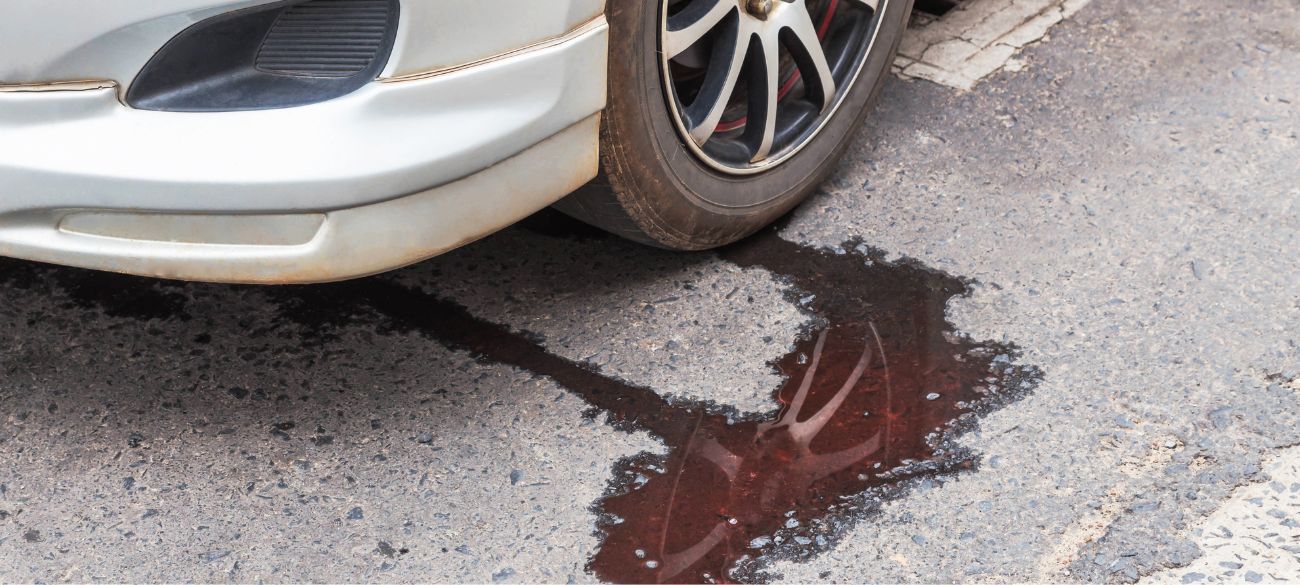
Finding a puddle or wet spot underneath your vehicle can be concerning. While some leaks are relatively minor, others can indicate a problem that could leave you stranded or cause expensive damage if the vehicle continues to be driven. The first step is to avoid assuming that every puddle is the same. Different vehicle fluids have different colours, smells, and locations, and understanding what you are looking at can help determine how serious the problem may be.
Don't Ignore a Fluid Leak
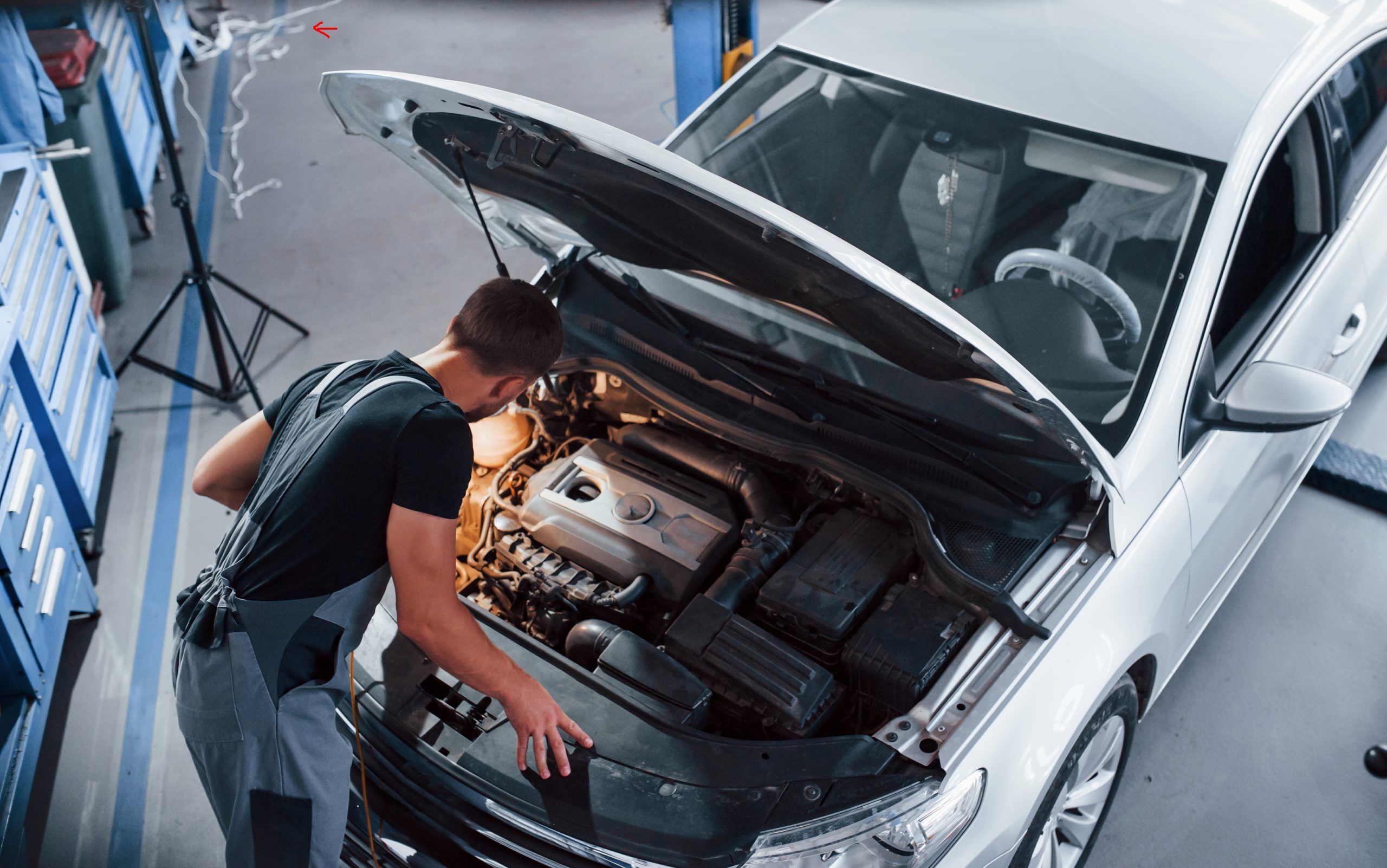
A small spot underneath the vehicle may not seem like a major problem, especially if the vehicle is still driving normally. However, a leak can become worse over time and some fluids are critical to the operation of the vehicle. Engine oil, coolant, transmission fluid, brake fluid, and other fluids all perform important jobs. Losing too much of any of them can lead to mechanical problems or, in some cases, make the vehicle unsafe to drive. Even if the vehicle appears to be operating normally, a new or unexplained leak should be investigated rather than simply monitored indefinitely.
How to Identify the Fluid
One of the first things to consider is what the fluid looks like. Colour, consistency, smell, and where the fluid is appearing can provide useful clues. Keep in mind that fluid colour can change with age, contamination, and the condition of the vehicle. Because of this, colour alone should never be used to diagnose a leak. If you are unsure what the fluid is, avoid touching it unnecessarily. Some automotive fluids can irritate the skin and should be handled properly.
Engine Oil Leaks
Engine oil is commonly amber or brown when relatively clean and can become dark or nearly black as it is used. Oil leaks may appear underneath the front or centre area of the vehicle, depending on the engine and the location of the leaking component. Common causes can include leaking gaskets, seals, oil filters, drain plugs, valve covers, oil pans, or other engine components. A significant engine oil leak can eventually lower the oil level enough to cause serious engine damage. If the oil warning light comes on, the engine is making unusual noises, or the oil level is dangerously low, the vehicle should not continue to be driven.
Coolant Leaks
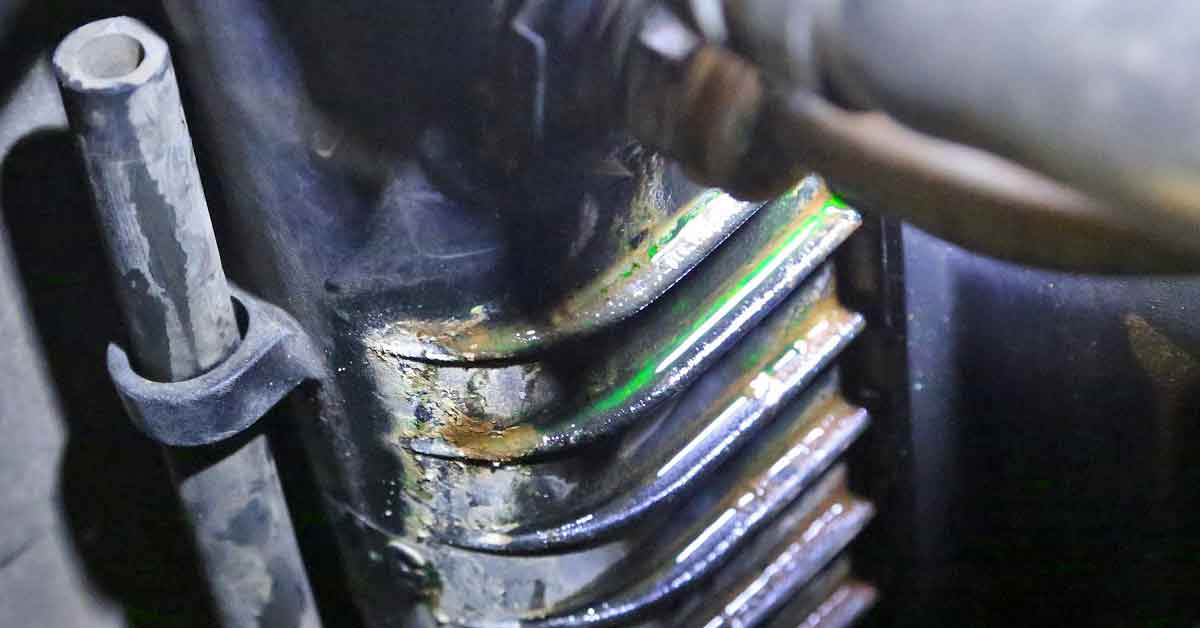
Coolant can come in several different colours, including green, orange, pink, yellow, or blue, depending on the type of coolant used. A coolant leak may come from a radiator, hose, water pump, thermostat housing, expansion tank, heater system, or another part of the cooling system. A sweet smell around the vehicle can sometimes be associated with coolant. Coolant leaks should be taken seriously because losing coolant can cause the engine to overheat. Continuing to drive an overheating vehicle can result in major engine damage. Never remove a pressurized coolant cap from a hot engine. Hot coolant and steam can cause serious burns.
Transmission Fluid Leaks
Transmission fluid can vary in colour depending on the vehicle and the type of fluid being used. It may appear red, pink, brown, or darker as it ages. A transmission fluid leak may appear underneath the centre portion of the vehicle, although the exact location depends on the vehicle's design. Low transmission fluid can contribute to shifting problems, slipping, delayed engagement, unusual noises, or overheating. If you notice a significant transmission fluid leak or the transmission suddenly starts behaving differently, it is better to have the vehicle inspected before continuing to drive it.
Brake Fluid Leaks
Brake fluid is generally clear to light amber, although its appearance can change as it ages. A brake fluid leak can occur from brake lines, hoses, calipers, wheel cylinders, or other hydraulic components. This type of leak is particularly important because the braking system relies on hydraulic pressure to operate correctly. If the brake pedal suddenly feels soft or spongy, travels much farther than normal, or braking performance has changed, the vehicle should not be driven until the problem has been properly inspected.
Other Fluids That Can Leak
Vehicles can contain several other fluids that may eventually develop leaks. Power steering fluid, differential fluid, transfer case fluid, and other specialized fluids can leak depending on the vehicle. Some newer vehicles use electric power steering and may not have power steering fluid at all. This is another reason why identifying the vehicle and its specific systems is important before assuming what a leak is.
What If It Is Just Water?
Not every puddle underneath a vehicle means something is leaking. Water dripping underneath the vehicle after using the air conditioning is often completely normal. The A/C system removes moisture from the air inside the vehicle, and that moisture can drain underneath the vehicle. This water is usually clear and does not have the oily appearance or strong smell associated with many automotive fluids. However, if you are unsure whether the liquid is normal A/C condensation or an actual vehicle fluid, it is better to have it checked rather than assume it is harmless.
Symptoms That Can Come With a Fluid Leak
Sometimes the leak itself is not the first sign that something is wrong. You may notice a change in how the vehicle operates before you ever see fluid underneath it. Warning signs can include overheating, warning lights, unusual smells, smoke, unusual noises, hard or slipping transmission shifts, changes in brake pedal feel, or changes in engine performance. You may also notice fluid levels dropping when checking them during routine maintenance. A combination of a visible leak and a change in vehicle behaviour should be taken especially seriously.
What Can Happen If a Leak Is Ignored?
The consequences of a leak depend on which fluid is being lost and how quickly it is leaking. An engine oil leak can eventually lead to low oil pressure and engine damage. A coolant leak can cause overheating. A transmission fluid leak can lead to transmission problems, while a brake fluid leak can affect braking performance. Fluids can also reach components where they do not belong. Oil or other fluids can contaminate belts, electrical components, brakes, or other parts and create additional problems. What starts as a relatively simple leak can therefore become a much more expensive repair if it is left untreated.
What Should You Do If You Find a Leak?
If you notice a new puddle or wet area underneath your vehicle, try to determine where it is coming from without putting yourself in an unsafe position. Take note of the colour, approximate location, smell, and amount of fluid. If you recently had maintenance performed, it can also be useful to mention that to the technician. Check the vehicle owner's manual for information about fluid levels and warning lights. Do not open hot or pressurized systems unless you know they are safe to access. Most importantly, do not assume that the vehicle is safe to drive simply because the leak looks small.
When Should You Tow the Vehicle?
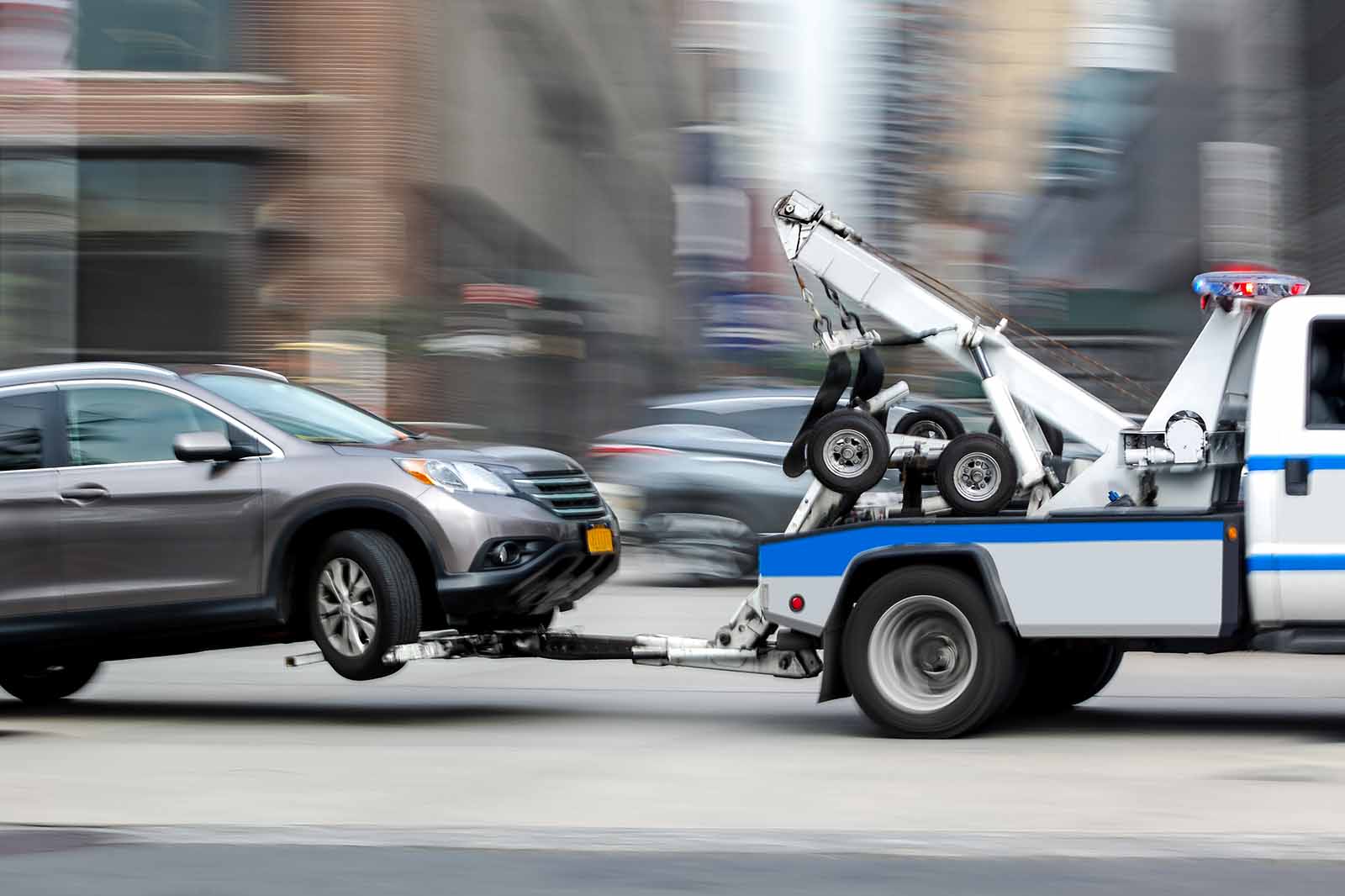
If you cannot identify the fluid or you are not sure whether the vehicle is safe to drive, having it towed to a repair shop is often the safest option. The vehicle should especially be considered for towing if there is a large or rapidly growing leak, the engine is overheating, the oil warning light is on, the brake pedal feels abnormal, transmission operation has changed significantly, or the vehicle is making serious mechanical noises. Continuing to drive a vehicle with a serious fluid leak can turn a repairable problem into a much larger repair.
If you are unsure, it is better to spend money on a tow than risk damaging the vehicle or putting yourself and others in danger.
The Bottom Line
A puddle underneath your vehicle should not automatically be ignored. The colour, smell, location, and amount of fluid can provide useful clues, but they are not always enough to determine the exact cause. Oil, coolant, transmission fluid, and brake fluid leaks can all lead to more serious problems if they are allowed to continue.
If you can safely identify the fluid and the vehicle is operating normally, arrange an inspection as soon as possible. If you are unsure what is leaking or the vehicle is showing signs of a serious problem, it is safer to have it towed rather than risk driving it.
Finding a leak early can make the difference between a relatively straightforward repair and a much larger mechanical problem.
FOUND A FLUID LEAK?
Have Your Vehicle Inspected
If you have noticed a fluid leak or are not sure what is leaking from your vehicle, NJ AUTO can inspect the vehicle and help determine the source of the problem.
LEARN ABOUT AUTOMOTIVE REPAIR