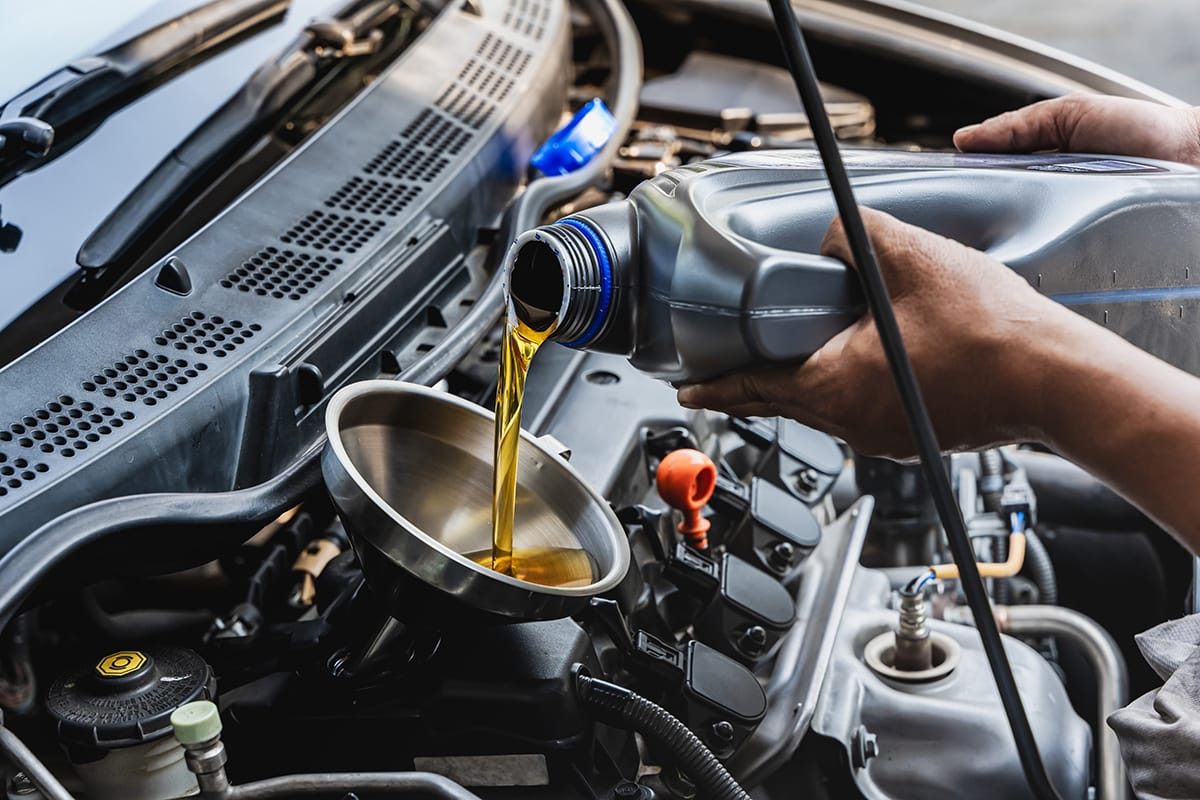
Engine oil does much more than simply lubricate the moving parts inside your engine. It helps reduce friction, carry heat away from internal components, suspend contaminants, and protect against wear. Because of this, regular oil changes are one of the most important maintenance services you can perform on a vehicle. The exact interval depends on the vehicle, the engine, the type of oil being used, and how the vehicle is driven. While older advice often recommended changing oil every few thousand kilometres, many modern vehicles can safely go significantly longer between oil changes when the correct oil is used.
How Often Should You Change Your Oil?
The best place to start is always the manufacturer's recommended maintenance schedule. For many modern vehicles using quality synthetic engine oil, an oil change interval around 8,000 to 10,000 kilometres can be a reasonable general guideline. However, this is not a universal rule for every vehicle. Some vehicles have shorter recommended intervals, while others are designed for longer intervals. The engine design, oil specification, driving conditions, and manufacturer's recommendations all matter. If the vehicle is regularly used for short trips, heavy stop-and-go traffic, towing, frequent idling, or other severe-duty conditions, more frequent maintenance may be appropriate.
Not All Engine Oil Is the Same
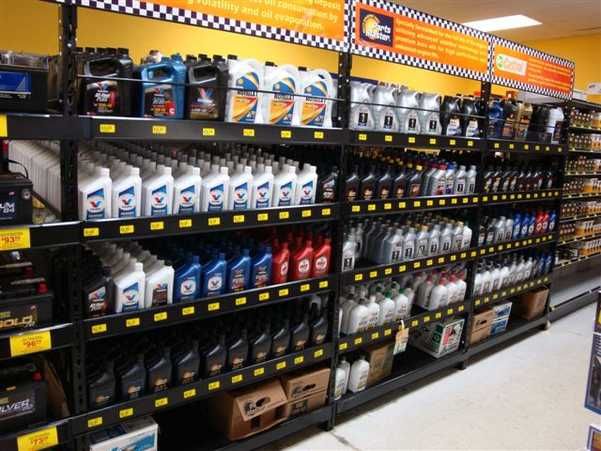
Walking into a parts store and looking at the shelves of engine oil can be confusing. There are different viscosities, brands, formulations, and specifications, and the word "synthetic" appears on many of the bottles. However, not all synthetic oils are the same. Two oils can both be labelled full synthetic and still have different characteristics, specifications, and applications.
Conventional, Synthetic Blend and Full Synthetic
Conventional engine oil is made primarily from mineral-based base oils and has traditionally been used in many older engines. Synthetic-blend oils combine conventional and synthetic base oils. They can provide some of the advantages of synthetic oil while generally costing less than a full synthetic formulation. Full synthetic oils are engineered using more highly refined base oils and carefully selected additive packages. They are designed to provide consistent performance across a wider range of temperatures and operating conditions. For many newer vehicles, the manufacturer specifically recommends a particular synthetic oil and specification. In those cases, using the correct oil is more important than simply choosing the cheapest option or the most expensive bottle on the shelf.
Viscosity Is Only Part of the Story
You may have seen numbers such as 0W-20, 5W-20, 5W-30, or 0W-30 printed on an oil container. These numbers describe the oil's viscosity characteristics at different temperatures. They are important, but viscosity alone does not tell you whether an oil is correct for a particular engine. Modern engines can have very specific oil requirements. The manufacturer may require particular performance standards or approvals in addition to a specific viscosity. This is why it is important to check the owner's manual or manufacturer's service information instead of assuming that any oil with the same viscosity will work equally well.
What Makes a Good Engine Oil?
A higher price does not automatically mean that an oil is better. At the same time, the cheapest oil on the shelf is not necessarily the best choice for every engine. Quality engine oils are developed using carefully selected base oils and additive packages. These additives help provide protection against oxidation, deposits, wear, corrosion, and other conditions that occur inside an operating engine. Reputable oil manufacturers also invest heavily in testing, quality control, and ensuring their products meet the specifications they claim to meet. The important thing is not simply buying the most expensive oil. The goal is to choose a quality oil that meets the correct viscosity and manufacturer-required specification for your engine. In other words, a more expensive oil with the wrong specification is still the wrong oil.
Why Does Engine Oil Need to Be Changed?
Engine oil is exposed to high temperatures, pressure, combustion by-products, and constant movement while the engine is running. Over time, the oil's additives become depleted and contaminants can accumulate in the oil. Even when the oil still looks reasonably clean, its protective properties can gradually change as it is used. This is why an oil change is not simply about removing oil that looks dirty. It is about replacing used oil with fresh oil that can continue protecting the engine.
What Happens If You Wait Too Long?
Delaying an oil change occasionally is unlikely to immediately destroy an otherwise healthy engine, but consistently extending service intervals beyond what the manufacturer recommends can increase the risk of problems. Old or degraded oil may provide less protection against friction and wear. Deposits and contaminants can also build up over time. In severe cases, neglected oil maintenance can contribute to sludge, restricted oil passages, increased engine wear, and potentially expensive engine repairs. Regular maintenance is generally much less expensive than repairing an engine that has suffered from years of neglected oil changes.
An Oil Change Does Not Replace Checking the Oil Level
Changing your oil on schedule is important, but you should not assume that the oil level will remain correct until the next service. Some engines naturally consume a small amount of oil between services, while excessive oil consumption can indicate a mechanical problem. Checking the oil level periodically can help identify a problem before the engine runs dangerously low on oil. If you notice that you are regularly adding significant amounts of oil between changes, it is worth having the vehicle inspected to determine where the oil is going.
Oil Changes Are Only One Part of Maintenance
Keeping up with oil changes is important, but there are several other maintenance items that should not be overlooked. Air filters and cabin filters should be checked regularly and cleaned when appropriate. They should generally be replaced as they become dirty or restricted rather than simply waiting until they are completely blocked. Spark plugs, transmission fluid, brake fluid, coolant, and other service items also have their own maintenance requirements. On many vehicles, items such as spark plugs, transmission fluid, and brake fluid may require attention around the 100,000 kilometre range, but the correct interval varies considerably by vehicle. A maintenance schedule should be based on the manufacturer's recommendations rather than treating one mileage number as universal.
General Maintenance Guidelines
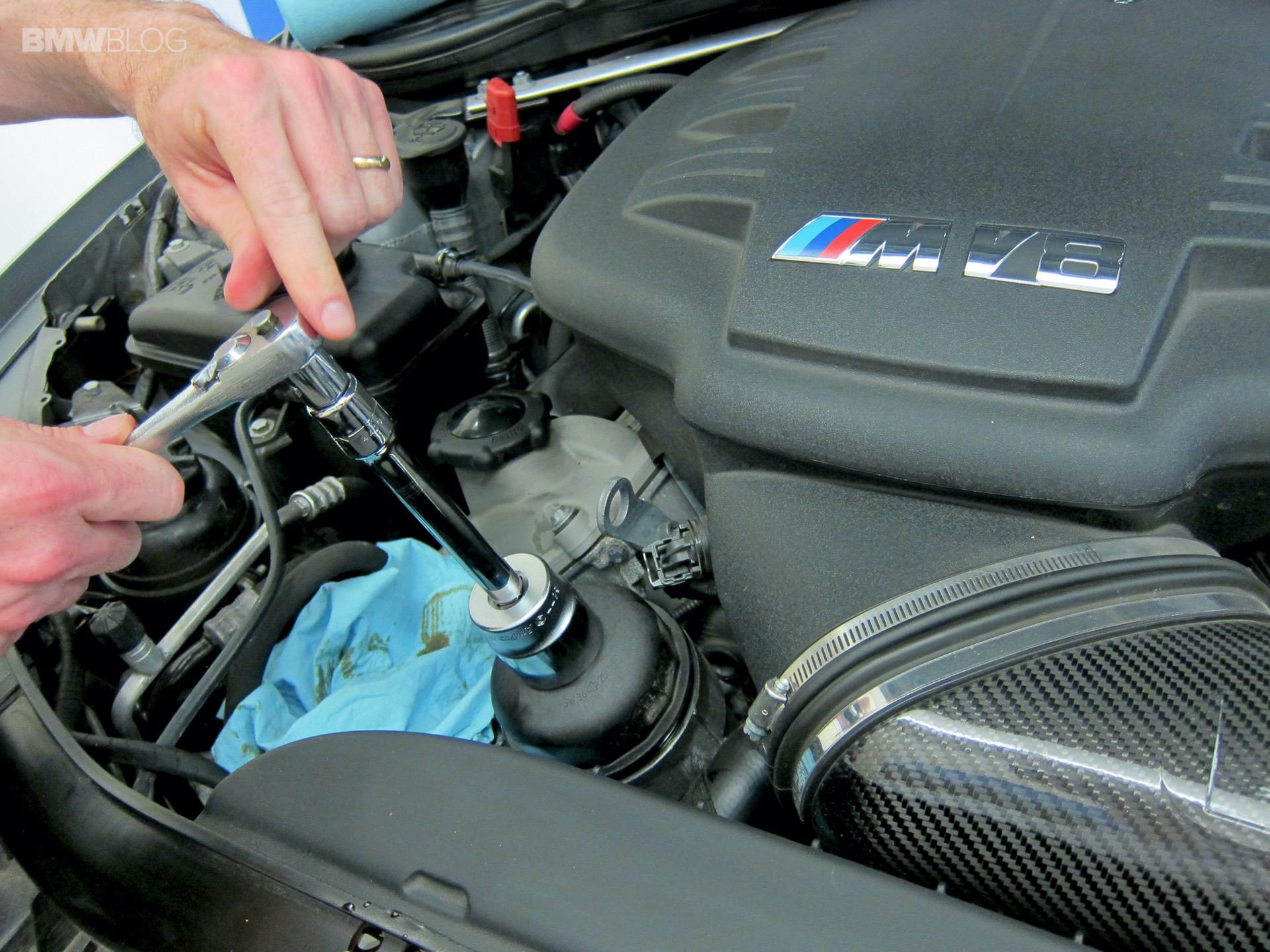
While every vehicle is different, the following can be useful general guidelines for many modern vehicles. Engine oil and filter changes are commonly performed around every 8,000 to 10,000 kilometres when the vehicle and oil manufacturer allow that interval. Engine air filters and cabin air filters should be inspected at regular services. Depending on driving conditions, they may be cleaned when appropriate and commonly replaced after a few service intervals. Spark plugs, transmission fluid, brake fluid, coolant, belts, and other maintenance items have vehicle-specific intervals and should be checked against the manufacturer's service schedule. Vehicles driven in dusty conditions, heavy traffic, extreme temperatures, or primarily on short trips may require more frequent attention than a vehicle driven mostly on longer highway trips.
The Bottom Line
Regular oil changes are one of the simplest and most important forms of preventative vehicle maintenance. The right oil is just as important as changing it on time. Do not choose engine oil based only on the word "synthetic," the price, or the viscosity printed on the front of the bottle.
Check the manufacturer's requirements and use a quality oil that meets the correct specifications for your engine.
Keeping up with oil changes and the rest of the vehicle's maintenance schedule can help identify problems early and reduce the chance of expensive repairs caused by neglected maintenance.
NEED ROUTINE MAINTENANCE?
Keep Your Vehicle Maintained
Regular maintenance can help keep your vehicle reliable and give you a better chance of catching problems before they become expensive repairs.
LEARN MORE ABOUT VEHICLE MAINTENANCE