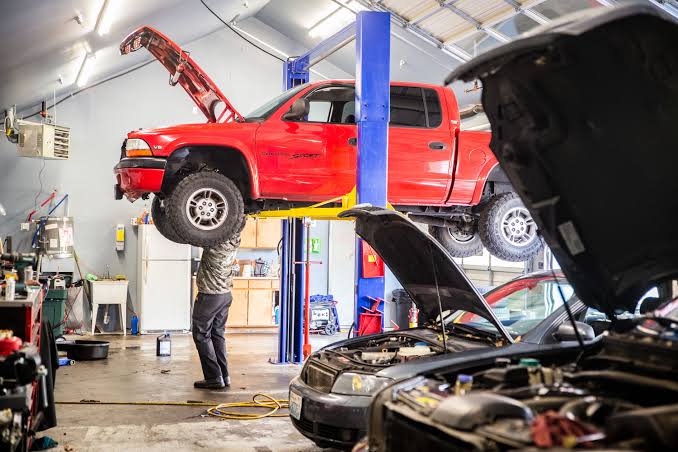
When a warning light appears on the dashboard, one of the first things many people think about is getting the vehicle scanned for trouble codes. A diagnostic scan can be an important part of finding the problem, but it is only one part of the process. Modern vehicles have become extremely complicated. They contain multiple computers, sensors, control modules, communication networks, and electronically controlled systems that all have to work together. Because of this, proper vehicle diagnosis is about finding the reason a fault occurred, not simply reading a code and replacing a part.
What Is a Diagnostic Trouble Code?
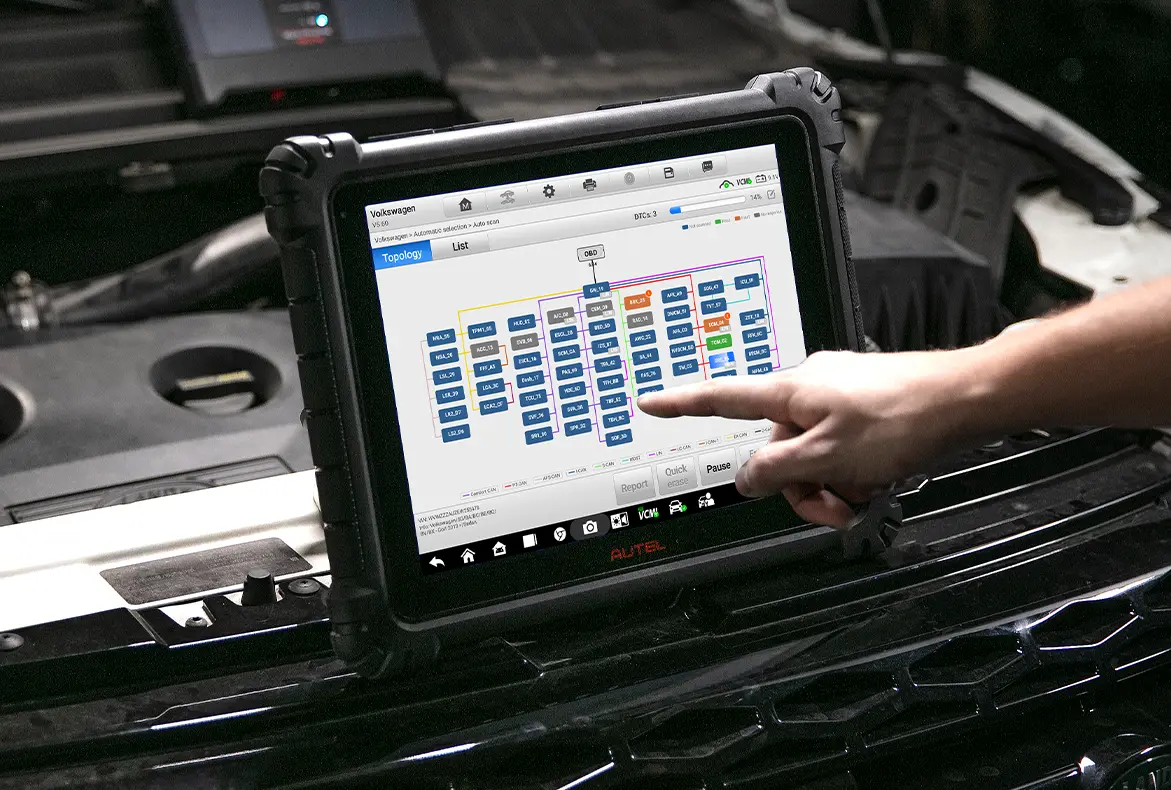
A diagnostic trouble code, often called a DTC, is information stored by one of the vehicle's control modules when it detects a condition that falls outside an expected range. These codes can provide a technician with a valuable starting point. They can indicate which system detected a problem and sometimes provide information about the type of fault that occurred. However, the code itself does not always tell you which part needs to be replaced. For example, a code related to a sensor does not automatically mean the sensor itself is defective. The problem could be caused by wiring, a connector, power supply, ground, another component, or even a problem elsewhere in the system.
A Scan Is Only the Starting Point
Connecting a diagnostic scan tool is often one of the first steps in the diagnostic process, but it should not be the last. Once a code is found, the technician needs to understand what the code actually means on that particular vehicle and determine what conditions caused it to set. Depending on the problem, this may involve checking live data, testing electrical circuits, inspecting connectors, measuring voltages, checking grounds, performing mechanical tests, or carrying out specific manufacturer diagnostic procedures. The goal is to confirm the fault before replacing expensive parts.
Modern Vehicles Use Complicated Computer Networks

Today's vehicles are very different from older vehicles that relied primarily on mechanical systems and relatively simple electrical circuits. A modern vehicle can contain numerous control modules responsible for systems such as the engine, transmission, airbag system, ABS, steering, body electronics, climate control, and many other functions. These modules communicate with each other over vehicle communication networks. Depending on the vehicle, different networks and communication systems may be used to allow information to move between the modules. This means that a problem in one area can sometimes create symptoms or communication faults in another area. A communication problem, power supply issue, damaged wiring, poor ground, or failed module can potentially cause multiple warning lights or several seemingly unrelated symptoms.
Why Replacing Parts Based on a Code Can Be a Mistake
One of the most common mistakes in vehicle diagnostics is assuming that the component mentioned in a trouble code is automatically the problem. A sensor code, for example, may be caused by a wiring problem rather than a failed sensor. Replacing the sensor without testing the circuit may not solve anything. The same applies to more complicated systems. Replacing a control module simply because it appears to be involved in a communication fault can become an expensive guessing game. Proper diagnosis helps determine whether the problem is actually the component, the wiring, the power supply, the ground, the communication network, or another related system.
Looking at Live Data
Diagnostic equipment can often provide much more information than stored trouble codes. Live data allows a technician to see information being reported by sensors and control modules while the vehicle is operating. Depending on the system being tested, this can include information such as engine temperature, fuel mixture data, sensor readings, throttle position, vehicle speed, transmission data, and many other parameters. Comparing the data to what the vehicle should normally be reporting can help narrow down the cause of a problem.
Electrical and Circuit Testing
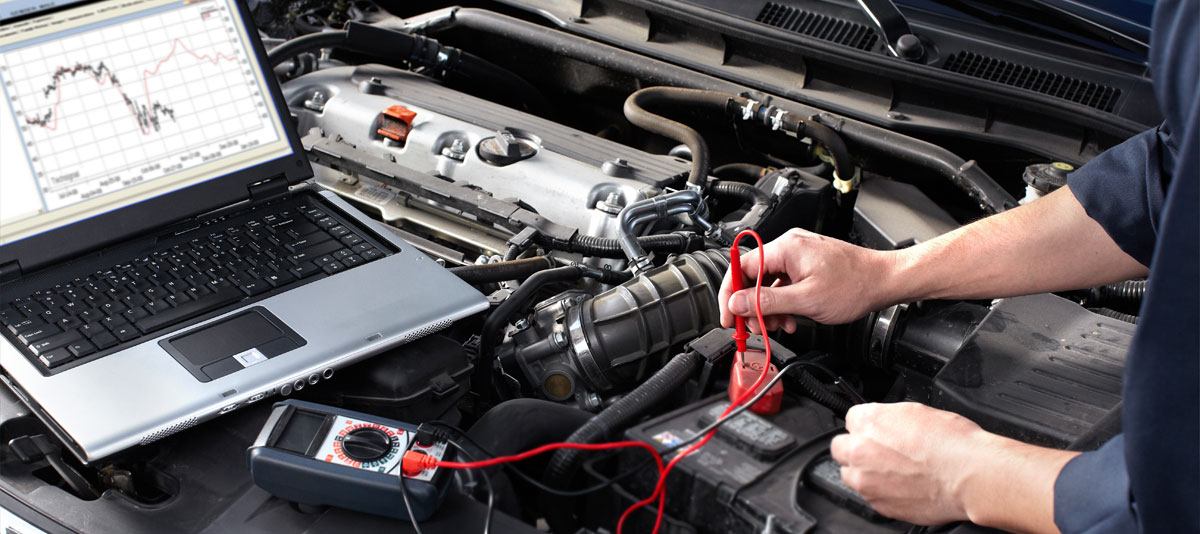
Many modern diagnostic problems require more than scan data. A technician may need to test power supplies, grounds, wiring, connectors, fuses, relays, and communication circuits. Electrical problems can sometimes be difficult to find because a wire or connection may look perfectly normal from the outside while having excessive resistance, an intermittent connection, or another electrical fault. Testing the circuit can help determine whether the problem is actually with the component or with the circuit supplying and communicating with it.
Some Problems Are Mechanical, Not Electronic
A scan tool cannot detect every mechanical problem. Issues involving compression, vacuum leaks, mechanical timing, worn components, fluid leaks, suspension components, brakes, and other mechanical systems may require physical inspection or specialized testing. This is one reason a diagnostic scan should not be treated as a complete inspection of the vehicle. The scan results, the vehicle's symptoms, and physical testing all need to be considered together.
Intermittent Problems Can Be Especially Difficult
Some vehicle problems do not happen all the time. A vehicle may work normally when it arrives at the shop but develop a fault occasionally while driving. Intermittent electrical connections, wiring problems, communication faults, and sensor issues can sometimes be difficult to reproduce. In these situations, stored codes, freeze-frame information, live data, wiring tests, and information about when the problem occurs can all help with the diagnosis.
Clearing a Code Does Not Fix the Problem
Disconnecting the battery or clearing trouble codes with a scan tool can sometimes make a warning light disappear temporarily. However, if the underlying problem has not been repaired, the fault may return. Clearing codes can also erase useful diagnostic information, which is why it is generally better to understand and document the fault before clearing anything.
Why Proper Diagnosis Matters
Modern vehicles are expensive and their electronic systems can be complicated. Replacing parts based only on a trouble code can quickly become expensive, especially when the actual problem is a wiring issue, communication fault, power supply problem, or another component. Proper diagnosis takes a more methodical approach. The technician gathers information, identifies the system involved, performs the appropriate tests, and confirms the cause before recommending a repair. This approach can save time, reduce unnecessary parts replacement, and give the vehicle owner a much better understanding of what actually needs to be repaired.
The Bottom Line
A diagnostic scan is an important tool, but modern vehicle diagnosis involves much more than reading a trouble code.
Today's vehicles rely on multiple computers, sensors, electronic circuits, and communication networks. Finding the actual cause of a problem may require scan data, electrical testing, live data, physical inspection, and mechanical testing.
The goal of proper diagnostics is not to replace the part mentioned by a code. The goal is to understand why the fault occurred and confirm the repair that is actually needed.
HAVING A VEHICLE PROBLEM?
Get a Proper Diagnostic
If a warning light has appeared or your vehicle is experiencing a problem that is difficult to identify, NJ AUTO can help diagnose the cause and determine what repairs may be needed.
LEARN MORE