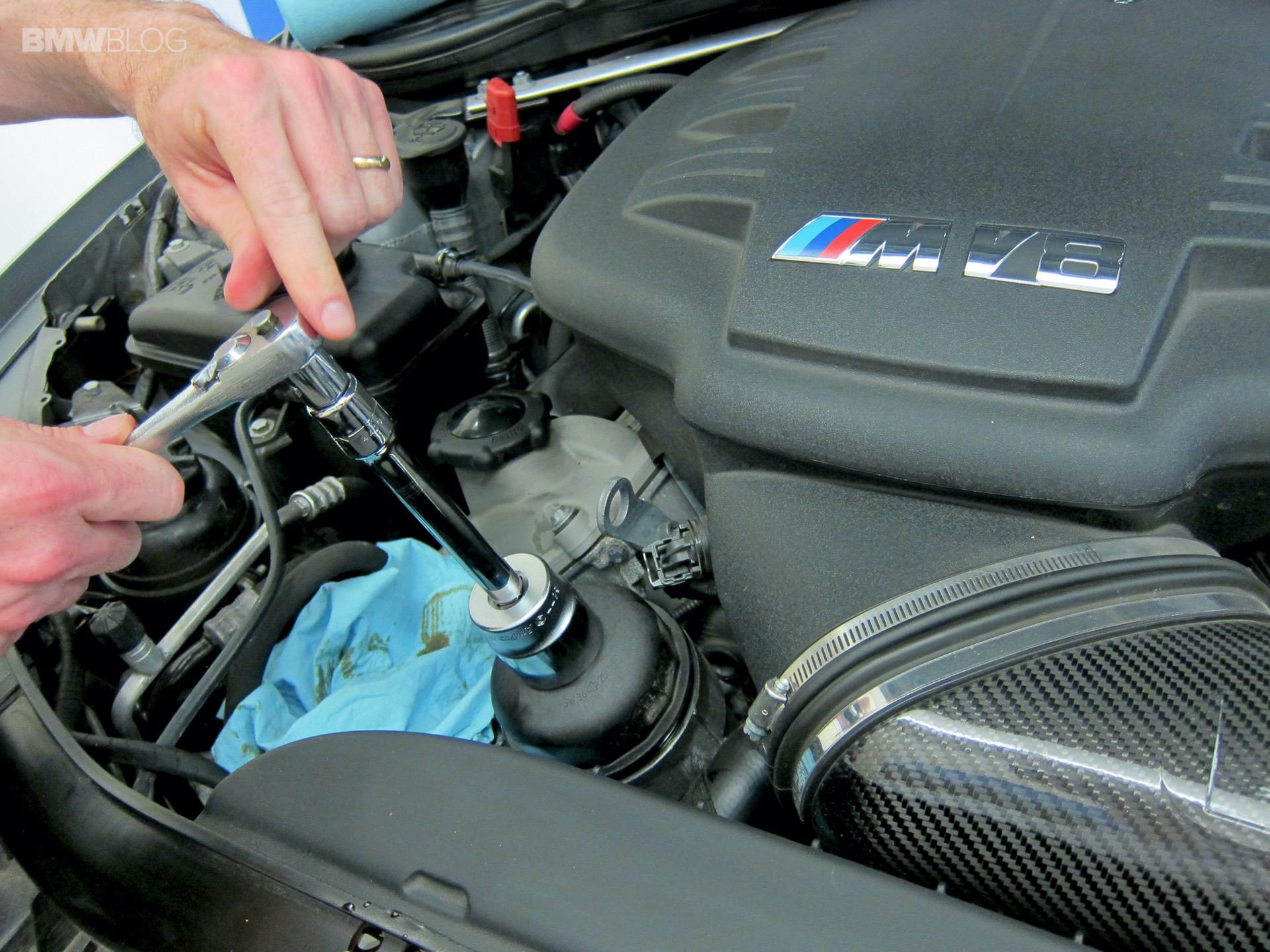
Regular vehicle maintenance is one of those things that is easy to put off when everything seems to be working normally. The problem is that many maintenance items do not give you an obvious warning when they are approaching the end of their useful life. By the time a problem becomes noticeable, a relatively simple maintenance item may have turned into a much larger repair. So how often should you actually service your vehicle? The answer depends on the vehicle, how it is driven, its age, mileage, and the manufacturer's recommended maintenance schedule.
There Is No Single Maintenance Schedule for Every Vehicle
Different vehicles have different maintenance requirements. A newer vehicle may have longer service intervals than an older vehicle, while a vehicle that is driven heavily may require attention more frequently. The manufacturer's maintenance schedule is a good starting point because it is designed specifically for that vehicle. However, the factory schedule is not the only thing worth considering. The way the vehicle is used can have a significant effect on how often certain components need attention.
General Maintenance Interval Guidelines
While every vehicle is different, there are some general maintenance intervals that can be useful as a starting point.
These are not replacement schedules for the manufacturer's recommendations. They are simply general guidelines to help vehicle owners understand when some common maintenance items may need attention.
- Engine oil and filter: Many vehicles using modern synthetic engine oil are commonly serviced around every 8,000–10,000 km, depending on the vehicle, oil specification, and driving conditions.
- Engine air filter: Inspect at regular services and replace when dirty or restricted. Many vehicles may need replacement around every 2–3 services, depending on driving conditions.
- Cabin air filter: Inspect regularly and commonly replace around every 2–3 services. Dusty roads, smoke, heavy HVAC use, and other conditions may require more frequent replacement.
- Spark plugs: Many modern vehicles have relatively long spark plug intervals. Replacement timing depends heavily on the vehicle and the type of spark plugs used.
- Transmission fluid: Service intervals vary considerably. Some vehicles may call for service around 60,000–100,000 km or more, while others have different requirements.
- Brake fluid: Brake fluid service can be time-based as well as mileage-based. Many vehicles benefit from periodic brake fluid replacement rather than simply waiting for a high mileage interval.
These intervals should always be compared with the maintenance schedule for your specific vehicle. Using the correct oil, fluid, filter, spark plug, and service procedure is just as important as the interval itself.
Engine Oil and Filter Changes
Engine oil is one of the most important routine maintenance items on a vehicle. Oil helps lubricate internal engine components, control heat, and carry contaminants away from critical areas of the engine. Over time, the oil becomes contaminated and its ability to perform its job can decrease. Many vehicles using modern synthetic oil can commonly go around 8,000–10,000 km between oil services. However, some vehicles specify shorter or longer intervals. Short trips, heavy traffic, towing, extreme temperatures, and other severe driving conditions can also affect how often the oil should be changed. Following the correct oil and filter interval is especially important because neglecting this basic maintenance can contribute to much more expensive engine problems.
Don't Forget the Air and Cabin Filters
Air and cabin filters are relatively simple maintenance items, but they are often overlooked. The engine air filter helps prevent dirt and debris from entering the engine's intake system, while the cabin air filter helps clean the air entering the passenger compartment. Both should be inspected during regular service. Depending on the vehicle and driving environment, they may commonly be replaced every 2–3 services. Vehicles driven on dusty roads or in areas with heavy pollution may require more frequent filter replacement. We have a separate article explaining why these filters matter and what can happen when they are neglected.
Why Air and Cabin Filter Maintenance Matters →
Fluids Should Not Be Forgotten
Engine oil gets most of the attention, but a vehicle relies on several other fluids as well. Depending on the vehicle, these can include coolant, brake fluid, transmission fluid, power steering fluid, differential fluid, and other specialized fluids. Some fluids require regular replacement while others may simply need to be inspected or serviced according to the manufacturer's recommendations. Transmission fluid is a good example. Some vehicles may require service around 60,000 km, while others may go closer to 100,000 km or have a completely different maintenance procedure. Brake fluid is another fluid that should not simply be forgotten. Brake fluid absorbs moisture over time, which is one reason many manufacturers specify a time-based replacement interval. Fluid leaks should also be investigated rather than simply topping up the fluid and continuing to drive.
Brakes and Tires Need Regular Attention
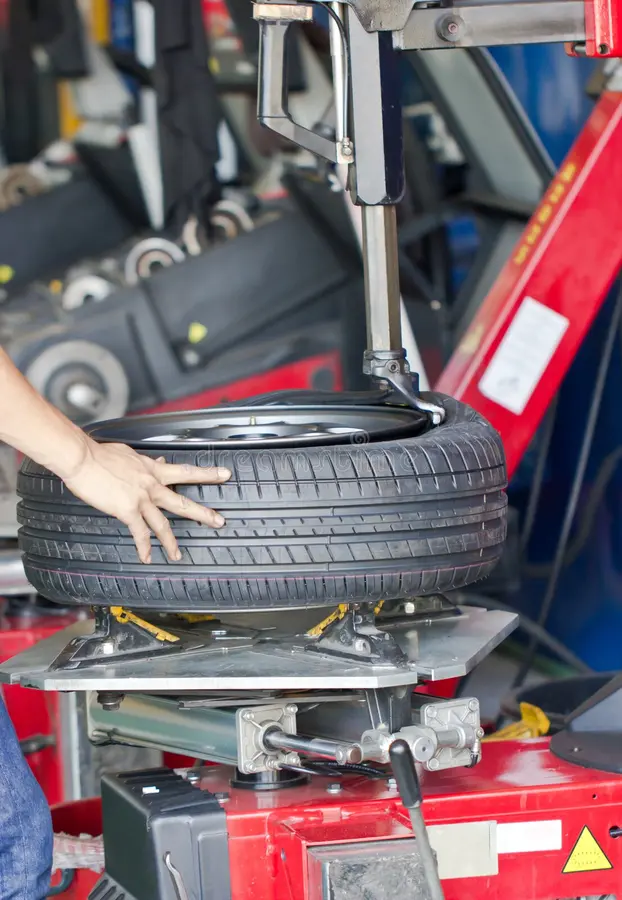
Brakes and tires are safety-critical components, and their condition can change significantly depending on how a vehicle is driven. Brake pad life can vary widely between vehicles and drivers. Stop-and-go city driving, heavy traffic, towing, and frequent braking can all increase brake wear. Tires should also be checked for tread depth, uneven wear, damage, and proper inflation. Uneven tire wear can sometimes point to alignment, suspension, or steering problems, which is another reason routine inspections are useful.
Other Filters and Wear Items
Vehicles have several filters and components that are designed to be replaced as they become dirty or worn. Engine air filters, cabin air filters, fuel filters on applicable vehicles, spark plugs, belts, and other service items all have different replacement intervals. Spark plug intervals in particular can vary considerably. Many modern vehicles can go a long time between spark plug replacements, but the correct interval depends on the specific engine and spark plug type. Checking the maintenance schedule for the specific vehicle is important because service intervals can vary considerably between makes and models.
Mileage Isn't the Only Thing That Matters
It is easy to think of vehicle maintenance in terms of mileage alone, but time can matter too. Some fluids and components can deteriorate with age even when the vehicle is not driven very often. Rubber components, seals, belts, hoses, and certain fluids can be affected by time, heat, moisture, and environmental conditions. This means a vehicle with relatively low mileage may still require maintenance if it is several years old.
How You Drive Can Change Maintenance Needs

Two vehicles with the same mileage can have very different maintenance needs. A vehicle used mainly for long highway trips may experience very different wear compared with one used for short trips through heavy city traffic. Frequent short trips, stop-and-go driving, towing, carrying heavy loads, driving in very hot or cold conditions, and dusty environments can all affect certain maintenance intervals. This is why some manufacturers identify certain driving patterns as severe or demanding service conditions.
Routine Inspections Can Find Problems Early
Maintenance is not only about replacing fluids and parts at specific intervals. A routine inspection gives a technician an opportunity to look for problems that may not have become noticeable to the driver yet. Worn suspension components, leaking fluids, damaged belts, uneven tire wear, brake wear, steering problems, and other developing issues can sometimes be identified before they leave you dealing with a breakdown. Finding a problem early does not always mean it needs to be repaired immediately, but it gives you the information needed to plan the repair.
Don't Ignore Changes in How Your Vehicle Drives
Even if your vehicle is not due for scheduled maintenance, changes in how it drives should not be ignored. New noises, vibrations, warning lights, fluid leaks, changes in braking, steering problems, starting issues, or unusual smells can all be signs that something needs attention. Maintenance schedules are designed to help prevent problems, but they cannot predict every issue that a vehicle may develop.
Older Vehicles Often Need More Attention
As a vehicle gets older and accumulates more mileage, maintenance can become more important. Components that were designed to last for many years can eventually wear out simply because of age and use. This does not mean an older vehicle is unreliable. A well-maintained vehicle can continue operating for many years, but keeping up with inspections and repairs becomes increasingly important. Regular maintenance can also help you understand what repairs may be coming and allow you to budget for them instead of being surprised by an unexpected breakdown.
Keep Track of Your Maintenance
Keeping records of the work performed on your vehicle can make maintenance much easier to manage. Service records can help you keep track of oil changes, brake work, fluid services, tire replacements, spark plugs, belts, and other maintenance. They can also be valuable when selling the vehicle because they show that the vehicle has been properly maintained.
The Bottom Line
There is no single service interval that works for every vehicle. The best approach is to follow the manufacturer's recommended maintenance schedule while also considering the vehicle's age, mileage, driving conditions, and overall condition.
As a general guideline, many vehicles using synthetic engine oil may be serviced around every 8,000–10,000 km, while filters, spark plugs, transmission fluid, brake fluid, and other maintenance items should be serviced according to their specific requirements.
Regular inspections are just as important as scheduled maintenance because they can help identify developing problems before they become larger repairs.
Taking care of small maintenance items as they come up can help keep your vehicle safer, more reliable, and easier to budget for over the long term.
DUE FOR MAINTENANCE?
Keep Your Vehicle Properly Maintained
Whether your vehicle is due for routine maintenance or you simply want to make sure everything is in good condition, NJ AUTO can help keep your vehicle running reliably.
LEARN MORE