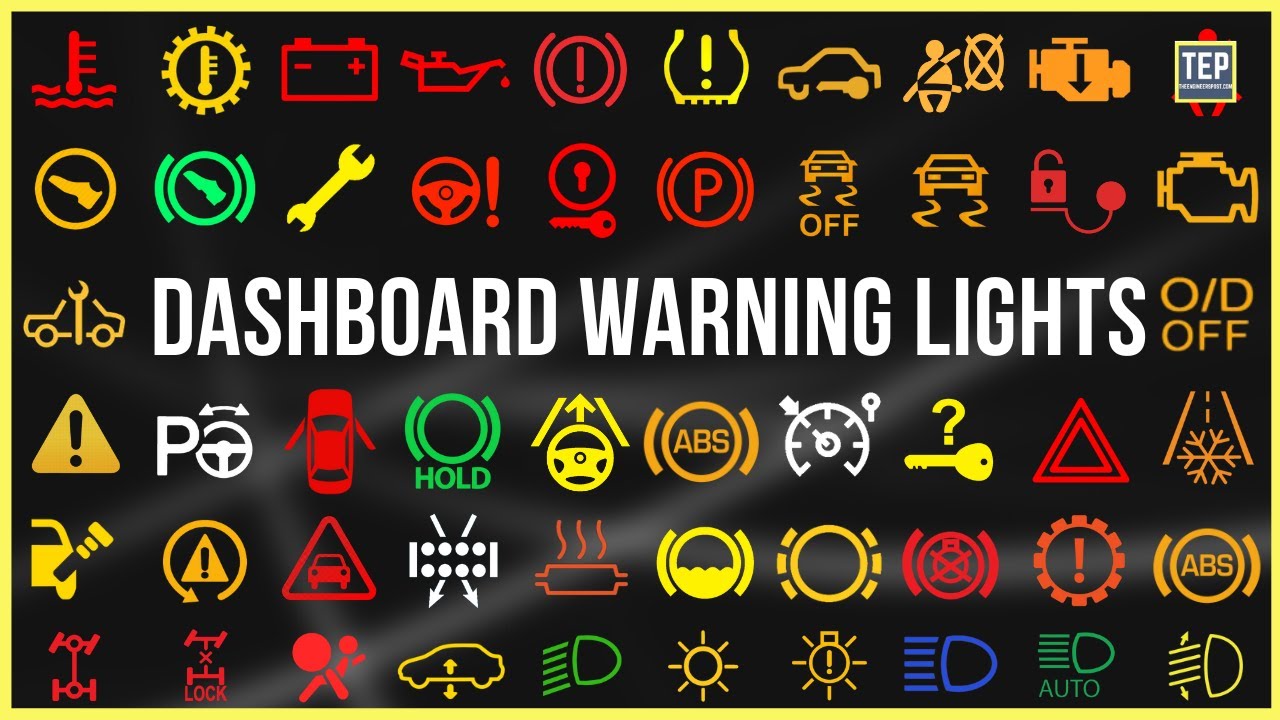
Few things are more frustrating than starting your vehicle and seeing the check engine light appear on the dashboard. Sometimes the cause is something relatively simple. Other times, the light is the first warning that there is a problem that should be diagnosed before it becomes more expensive. The important thing is not to guess what the light means. The right diagnosis starts with finding out why the vehicle turned it on in the first place.
What Does the Check Engine Light Mean?
The check engine light is part of the vehicle's onboard diagnostic system. Modern vehicles have numerous computers and sensors monitoring the engine, emissions system, fuel system, and other components. When the vehicle detects a condition that is outside of its expected operating range, it may store a diagnostic trouble code and turn on the check engine light. The light itself does not tell you exactly what has failed. It is more like a warning that the vehicle's computer has detected something that needs to be investigated.
Common Reasons the Light Comes On
There are many possible reasons for a check engine light. Some are relatively minor, while others can lead to more serious damage if they are ignored. Common causes can include a loose or damaged fuel cap, ignition problems, oxygen sensor issues, fuel system problems, emissions system faults, vacuum leaks, and sensor failures. Problems with the ignition system can also trigger the light. Worn spark plugs, failing ignition coils, or other ignition-related problems can cause the engine to misfire. The important point is that the same warning light can be caused by many different problems. Replacing a part simply because it is commonly associated with a particular code can lead to unnecessary repairs.
Could It Be Something Simple?
Sometimes the cause really is something simple. For example, a fuel cap that is not properly tightened can allow the vehicle's evaporative emissions system to detect a leak. If you recently filled the vehicle with fuel, it is worth checking that the fuel cap is installed correctly. However, if the light remains on, or if it returns after being cleared, the vehicle should still be properly diagnosed rather than simply assuming the fuel cap was the problem.
What If the Check Engine Light Is Flashing?
A flashing check engine light should generally be treated more seriously than a light that stays on continuously. A flashing light can indicate an active engine misfire that may cause damage to the catalytic converter or other components if the vehicle continues to be driven. If the check engine light is flashing, especially if the engine is running rough, shaking, losing power, or making unusual noises, it is best to avoid continuing to drive the vehicle unnecessarily and have the problem diagnosed as soon as possible.
What Does a Diagnostic Code Tell You?
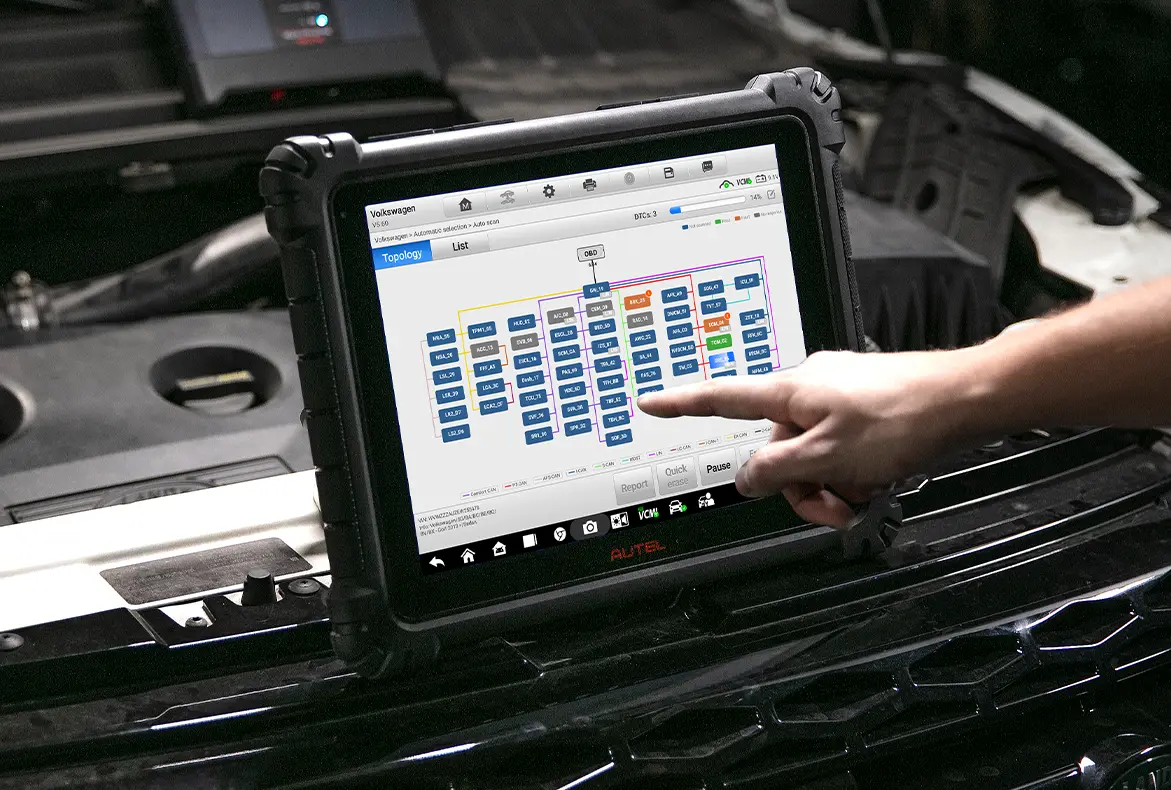
When a technician connects a diagnostic scanner to the vehicle, the vehicle's computers can provide stored diagnostic trouble codes. These codes are useful because they give the technician information about the system where the vehicle detected a problem. However, a diagnostic trouble code does not always mean that the component named in the code is automatically bad. For example, a sensor-related code could be caused by the sensor itself, a wiring problem, a vacuum leak, a power or ground issue, or another problem affecting the system. This is why proper diagnosis involves more than simply reading the code and replacing a part.
Can You Still Drive With the Check Engine Light On?
It depends on what the vehicle is doing. If the light is solid and the vehicle is running normally, it may be possible to drive it for a short period while arranging a diagnostic inspection. That does not mean the problem should be ignored. Some faults may not cause noticeable symptoms at first and can become more expensive if they are left unresolved. If the vehicle is running poorly, losing power, overheating, smoking, making unusual noises, or the check engine light is flashing, the situation should be treated much more seriously.
Don't Just Clear the Light
Clearing the check engine light without finding the cause may make the dashboard look normal, but it does not actually repair the vehicle. In some cases, the light may stay off temporarily before returning once the vehicle's computer runs its tests again. Clearing codes can also reset some of the vehicle's emissions readiness monitors. This can become important if the vehicle needs an emissions-related inspection or testing. The better approach is to diagnose the cause, repair the problem, and then verify that the vehicle is operating correctly.
Why Proper Diagnosis Matters
Modern vehicles are complicated. A single warning light can be connected to many different systems and components. A proper diagnostic process may involve scanning the vehicle, checking live data, testing sensors, inspecting wiring, checking electrical circuits, looking for vacuum or air leaks, and performing physical tests when necessary. The goal is not simply to find a code. The goal is to determine why the vehicle set that code in the first place.
When Should You Have It Checked?
If your check engine light comes on, it is a good idea to have the vehicle checked rather than waiting for the problem to become worse. A diagnostic inspection can help determine whether the problem is something relatively minor or something that needs immediate attention. Getting an issue diagnosed early can also help prevent unnecessary parts replacement and may save money by addressing a problem before it causes additional damage.
The Bottom Line
A check engine light does not automatically mean that your vehicle needs a major repair. It also should not be ignored simply because the vehicle still seems to drive normally. The light is there to tell you that the vehicle has detected something that deserves attention. Finding the actual cause is the important part.
If the light is flashing or the vehicle is running poorly, take the warning seriously. If the light is solid and the vehicle seems to be operating normally, arrange a diagnostic inspection before the problem has a chance to become more serious.
CHECK ENGINE LIGHT ON?
Let Us Diagnose the Problem
Is your check engine light on? NJ AUTO can scan the vehicle, investigate the cause, and help you understand what needs to be repaired.
LEARN ABOUT DIAGNOSTIC SERVICES